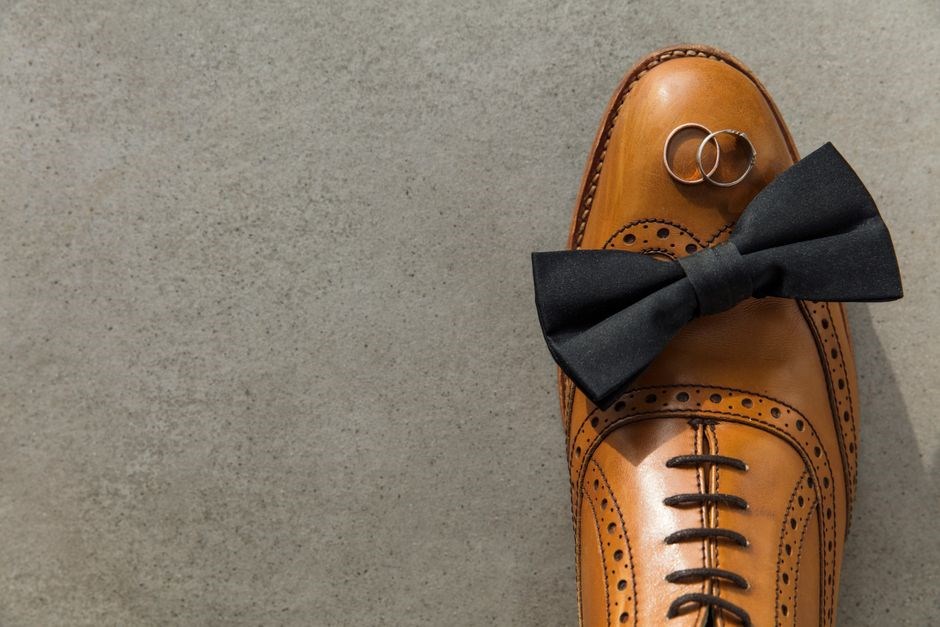
Bow ties, once a niche accessory, now feature diverse patterns—from classic stripes to avant‑garde prints․ Free PDF pattern libraries let designers experiment without cost, offering scalable templates that preserve detail across sizes․ This accessibility fuels creativity in fashion and craft․ Free to use․ Try!!

Bow ties, once a niche accessory, have evolved into a timeless symbol of style․ Their origins trace back to the 17th century when French aristocrats began tying neck ribbons into a knot resembling a bow․ By the 18th century, the bow tie was firmly embedded in European court fashion, favored for its understated elegance and the way it accentuated the wearer’s face․ The 19th century saw industrial growth and the rise of the middle class, making the bow tie more accessible and a staple of business attire․ During the jazz age of the 1920s, flappers and dapper men embraced the accessory as a statement of modernity․ World War II saw the bow tie adopted by military officers for its practicality and sense of authority․ Post‑war Hollywood icons like Cary Grant and James Dean popularized the look, cementing its place in the cultural zeitgeist․ In contemporary times, the bow tie transcends its traditional role, appearing in avant‑garde fashion shows, tech branding, and academic settings․ Designers and hobbyists now access a vast array of bow tie patterns in PDF format, many of which are freely downloadable․ These digital resources preserve intricate details while allowing modern users to experiment with new colors, textures, and styles․ Free PDF patterns democratize the craft, enabling anyone—from seasoned tailors to DIY enthusiasts—to create personalized bow ties that reflect heritage and innovation․ Thus, the bow tie’s journey from a noble court accessory to a ubiquitous symbol of individuality underscores its enduring appeal and adaptability across centuries․ Enjoy pattern design!․
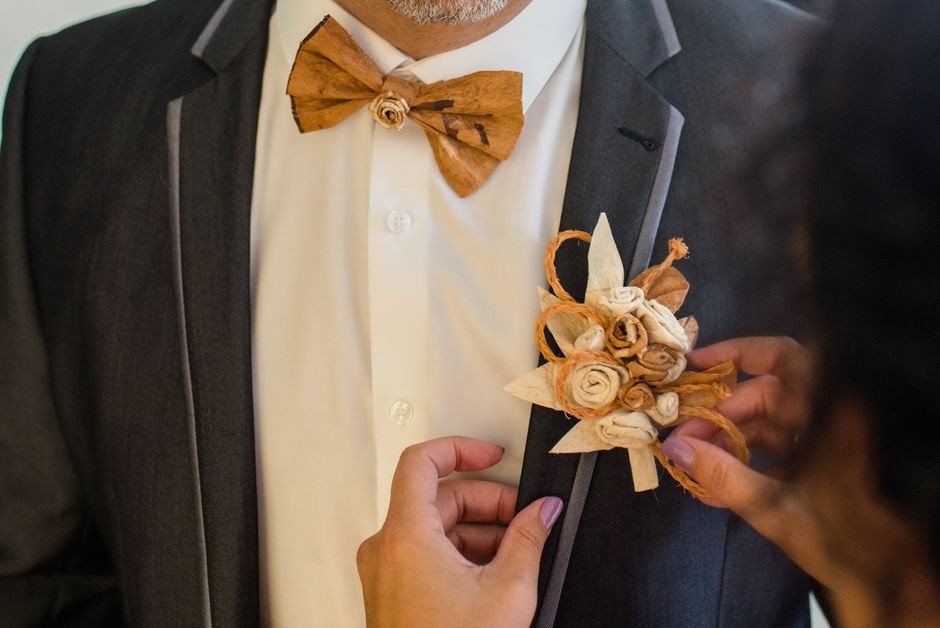
1․2 Modern Applications
In today’s design landscape, bow tie patterns have transcended their traditional sartorial roots to become versatile tools in branding, digital art, and even user interface motifs․ Graphic designers frequently extract free PDF patterns to generate custom logos, background textures, and iconography that echo the bow tie’s symmetry․ Event planners use printable PDF templates to create themed invitations, table décor and signage that echo a cohesive aesthetic․ Fashion houses incorporate free pattern files into rapid prototyping, allowing designers to test fabric choices and color palettes before committing to production․ Moreover, educators in textile and fashion courses employ these PDFs as teaching aids, enabling students to practice cutting, sewing, and pattern drafting without incurring material costs․ The accessibility of high‑resolution, vector‑based PDFs also supports 3D printing enthusiasts, who convert 2D patterns into printable models, custom accessories or cosplay props․ In the realm of digital marketing, social media managers remix bow tie patterns into animated GIFs, carousel posts, and story templates, capitalizing on the visual appeal of the shape to boost engagement․ Finally, hobbyists and crafters use free PDFs to create homemade gifts, from embroidered lapel pins to embroidered patches, showcasing the bow tie’s adaptability across mediums․ These free PDFs empower designers to experiment with color, texture, and scale, scalenow․ This breadth of application demonstrates how a centuries‑old accessory can be reimagined as a dynamic, cross‑disciplinary resource in the modern creative economy․
1․3 Importance of PDF Formats
PDF, short for Portable Document Format, is the industry standard for exchanging design files because it preserves vector data, typography, and layout across platforms․ For bow tie pattern enthusiasts, a free PDF offers instant access to scalable shapes that can be resized without loss of fidelity, making it ideal for both digital mock‑ups and physical cutting․ The format’s compatibility with common CAD and embroidery software means designers can import a pattern, adjust stitch density, or overlay color swatches with minimal effort․ Additionally, PDFs support layers, allowing users to isolate elements such as the knot, wings, or decorative motifs for selective editing․ This granularity is crucial when tailoring a pattern to fit a specific fabric or garment style․ Security features, such as password protection or read‑only flags, let creators share patterns while protecting intellectual property․ Moreover, PDFs can embed metadata—author, creation date, and licensing terms—providing clear attribution and usage guidelines․ The lightweight nature of PDFs ensures quick download times, even on mobile devices, which is essential for on‑the‑go designers․ Finally, because PDFs are universally readable, they serve as a reliable archival format; patterns stored in PDF can be accessed years later without compatibility issues, ensuring long‑term usability for educational institutions, studios, and hobbyists alike․ In short PDF format’s blend of precision flexibility and accessibility makes it indispensable for distributing bow tie patterns worldwide․

Advantages of Free PDF Resources
Free PDF patterns unlock instant, cost‑free access to high‑resolution designs enabling rapid prototyping and creative experimentation․ Designers can resize edit and layer files without expensive software fostering collaboration and accelerating production cycles worldwide․
2․1 Accessibility for Designers
Free bow tie pattern PDFs empower designers worldwide by removing financial barriers and simplifying the creative workflow․ With no licensing fees, designers can instantly download high‑resolution vector files that retain crisp edges when scaled from a small lapel to a full‑size garment․ The open format allows seamless integration into popular design software such as Adobe Illustrator, CorelDRAW, and Inkscape, ensuring that both seasoned professionals can manipulate shapes, colors, and textures without technical constraints․ Because the files are vector‑based, they can be resized infinitely without loss of quality, making them ideal for prototyping, mock‑ups production․ Moreover, the widespread availability of these PDFs on community forums, academic repositories, and open‑source collections fosters collaboration; designers can share, remix, and adapt patterns to fit unique brand identities or seasonal trends․ The accessibility extends beyond mere download links: many resources include metadata, usage guidelines, and licensing statements that clarify permissible commercial use, reducing legal uncertainty․ This transparency encourages experimentation and rapid iteration, as creators can test multiple colorways, stitch details, and fabric simulations in a matter of minutes․ Finally, the zero‑cost nature of free PDFs democratizes fashion design, enabling emerging designers, small studios, and educational institutions to produce high‑quality prototypes and portfolio pieces without incurring expensive software or pattern‑making expenses․!!

2․2 Cost Efficiency
When launching a new line or experimenting with limited‑run accessories, budget constraints often dictate the choice of resources․ Free bow tie pattern PDFs eliminate the need for costly pattern‑making services or proprietary design software, allowing designers to allocate funds to higher‑value activities such as fabric sourcing, prototype development, or marketing․ By providing ready‑made, high‑resolution vector files, these PDFs reduce the time spent on drafting and refining patterns from scratch․ This time savings translates directly into lower labor costs, as designers can focus on creative decisions rather than technical drafting․ Additionally, the zero‑price point removes the barrier for small studios and independent creators who may otherwise be unable to afford commercial pattern libraries․ The ability to download, edit, and re‑use patterns without licensing fees means that a single file can serve multiple projects, further stretching a limited budget․ Moreover, many free repositories offer patterns in multiple file formats (AI, EPS, SVG, PDF), ensuring compatibility across a range of design tools and reducing the need to purchase additional software․ The cumulative effect of these savings is a more efficient production cycle, where the cost of pattern creation is negligible compared to the overall project budget․ This economic advantage also encourages experimentation, as designers can test a variety of motifs and color schemes without incurring additional expenses, ultimately fostering innovation and market differentiation․!! It boosts creativity․

Where to Find Free Bow Tie Pattern PDFs
Discover free bow tie pattern PDFs on platforms like Craftsy, Freepik, and Patternbank․ Community forums such as Reddit’s r/fashion and DeviantArt host user‑shared templates․ University archives and open‑source sites like OpenClipart offer downloadable, editable files for designers․ All files are royalty‑free․!!!

3․1 Design Communities and Forums
Design communities and forums are prime sources for free bow tie pattern PDFs․ On Ravelry, members upload thousands of user‑submitted patterns, many downloadable as PDFs․ DeviantArt hosts a fashion section where artists share vector and raster designs that can be exported as PDFs․ Reddit r/fashion and r/knitting threads often feature pattern swaps with links to free PDFs․ Craftsy offers a Pattern Exchange where members share PDF templates for accessories, including bow ties․ Etsy creators sometimes list free PDFs in Digital Downloads․ Behance showcases portfolio projects where designers provide PDF files for community use․ Finally, Free Design Resources aggregates open‑source pattern libraries that include bow tie designs․ By actively participating, you can access a wide array of royalty‑free PDF patterns for personal or commercial projects․
These communities host contests and challenges where designers can showcase bow tie patterns, often receiving feedback and exposure․ Engaging with community helps refine skills and build portfolio of designs․ !
3․2 Academic and Library Repositories
Academic institutions and public libraries maintain digital collections that include fashion pattern archives․ The WorldCat database aggregates holdings from universities worldwide, many of which offer downloadable PDF patterns for educational use․ University repositories such as Digital Library host theses and design projects where authors share original bow tie templates in PDF format․ The National Gallery of Art offers a free PDF collection of historical fashion sketches, some of which have been transcribed into editable bow tie designs․ Public libraries often provide access to the Library Genesis repository, where fashion textbooks contain pattern pages that can be extracted as PDFs․ Many state library systems partner with the National Archives, offering digitized fashion collections that include pattern sheets․ Additionally, the MIT OpenCourseWare platform hosts fashion design courses that supply PDF pattern files for student projects․ By searching keyword terms like “bow tie pattern PDF” in these academic databases, users can locate high resolution, copyright free resources suitable for study and creative production․ Libraries also host workshops where patrons can learn to convert scanned pattern images into clean PDF templates, ensuring longevity and ease of use․ The combination of scholarly rigor and public accessibility makes academic and library repositories invaluable for designers seeking reliable, free bow tie pattern PDFs․
Students can also request interlibrary loans for rare pattern books, which are often digitized and shared as PDFs, ensuring that even niche designs remain accessible for future research and creative projects?
3․3 Open-Source Pattern Collections
Open‑source pattern repositories have become a cornerstone for designers who need free, high‑quality bow tie templates․ Platforms such as GitHub, PatternForge, and OpenPattern share user‑generated PDFs under permissive licenses, allowing anyone to download, modify, and redistribute designs without legal hurdles․ The collaborative nature of these sites means patterns evolve quickly; contributors add new color palettes, stitch details, and even 3D‑modeling files that can be rendered into printable PDFs․ Many open‑source projects host a version control history, so designers can track changes, revert to earlier iterations, and credit original authors․ In addition to raw PDFs, these collections often provide editable vector files (SVG, AI, or EPS) that can be opened in free software like Inkscape or GIMP, making it easy to tweak dimensions or add custom motifs․ The community forums integrated with these repositories offer tutorials, troubleshooting tips, and design challenges that encourage experimentation․ For educators, open‑source patterns can be incorporated into curriculum modules, giving students hands‑on experience with real‑world templates while reinforcing copyright‑respectful practices․ Finally, many of these sites provide API access, enabling developers to pull pattern data programmatically for integration into design tools or e‑commerce platforms․ The result is a vibrant ecosystem where creativity, accessibility, and open collaboration converge to keep bow tie design fresh and inclusive․ These PDFs let designers experiment freely and share work world now

Tips for Using Bow Tie Pattern PDFs Effectively
Utilize free bow tie PDF patterns by first verifying the file’s scale and orientation․ Convert to editable vector formats if needed, then adjust colors or add motifs․ Test on a sample fabric before full production to ensure pattern fidelity and sizing accuracy․ Preview on multiple devices ensures print quality․

4․1 Customizing Patterns for Projects
Bow tie PDF patterns are a blank canvas for designers seeking flexibility․ Begin by opening the PDF in a vector editor such as Inkscape or Illustrator․ Verify that the artwork is vector; if it is raster, use trace to convert it into editable paths․ Once vectorized, you can scale the design to any size without loss of detail, essential for tailoring different bow tie dimensions․
To personalize a pattern, adjust the color palette first; Replace default swatches with hues or colors by selecting each path and applying new fills․ If you need to incorporate logos or text, use the text tool to place brand identifiers, then convert the text to outlines to preserve the shape during printing․
Next, experiment with pattern repetition․ Bow tie designs rely on repeating motifs; you can duplicate the core element and arrange it in a grid or circular layout․ Use alignment tools to ensure symmetry, which is critical for the bow tie’s aesthetic․ For complex patterns, group elements and lock layers to prevent accidental edits․
After customization, export the design as a high‑resolution PDF or SVG, depending on the printing method․ Test the file on a sample fabric to confirm color accuracy and sizing․ Remember to keep the editable file for revisions․ By following these steps, you can transform a free PDF template into a unique, production‑ready bow tie pattern that meets your project’s exact specifications․ Feel free to share your customized designs with the community for inspiration․ 🙂