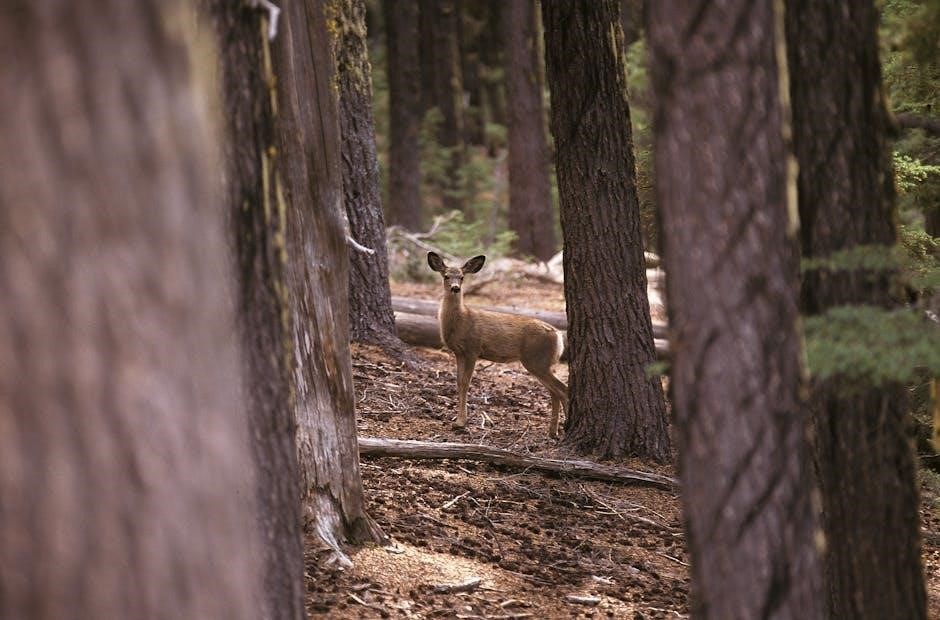
Guided Mule Deer Hunts: An Overview
Guided mule deer hunts offer specialized expertise, increasing success rates for hunters navigating challenging terrain and elusive game.
These hunts provide access to prime hunting locations and seasoned professionals, enhancing the overall experience and ethical harvest opportunities.
What are Guided Mule Deer Hunts?
Guided mule deer hunts represent a comprehensive hunting experience orchestrated by professional outfitters and guides. These hunts go beyond simply locating deer; they encompass logistical support, including pre-hunt planning, gear recommendations, and navigating complex state regulations. Guides possess intimate knowledge of local mule deer behavior, migration patterns, and preferred habitats, significantly boosting hunter success.
Typically, a guided hunt includes meals, lodging, and transportation within the hunting area. Experienced guides also provide invaluable assistance with field dressing, meat care, and trophy preparation. They ensure a safe, ethical, and legally compliant hunt, catering to varying skill levels – from novice hunters to seasoned veterans seeking a challenging pursuit.
Benefits of Hiring a Guide
Hiring a guide for a mule deer hunt offers numerous advantages, starting with increased hunting success. Guides possess extensive knowledge of the terrain, deer behavior, and effective hunting strategies like spot and stalk. They handle logistical complexities – permits, licenses, and access to private lands – saving hunters valuable time and effort.
Furthermore, guides enhance safety in remote wilderness areas and ensure ethical hunting practices. They provide expert assistance with game care, field dressing, and trophy preparation. For non-residents, a guide simplifies navigating unfamiliar state regulations and maximizes the chances of a rewarding and memorable hunting experience, ultimately delivering a higher-quality hunt.
Cost Considerations for Guided Hunts
Guided mule deer hunts represent a significant investment, with costs varying widely based on location, duration, and the outfitter’s services. Expect to pay anywhere from $4,000 to $10,000+ for a typical 5-7 day hunt. This generally includes the guide fee, lodging, meals, and transportation during the hunt.
However, additional expenses like tags/licenses, travel to and from the hunting area, shipping trophies, and gratuities are typically not included. Montana and Idaho often present more affordable options, while premium hunts in Colorado or Wyoming can be considerably pricier. Careful budgeting and understanding what’s covered are crucial for a financially sound hunt.
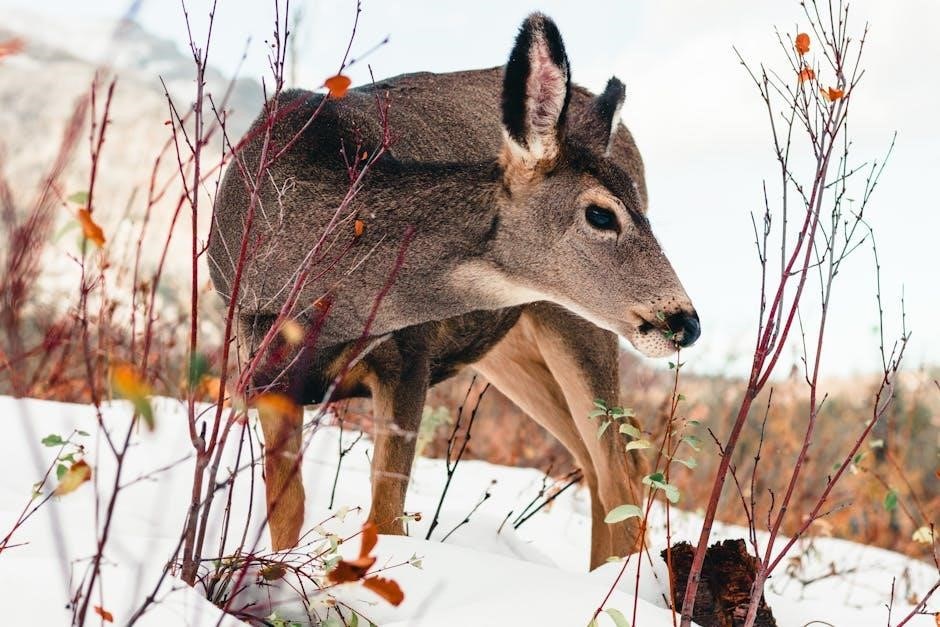
Top States for Guided Mule Deer Hunts (as of 04/07/2026)
Several Western states consistently rank highly for guided mule deer hunts, offering diverse terrain, healthy populations, and varying tag accessibility for hunters seeking success.
Colorado: Habitat and Resource Advantages
Colorado stands out as a premier destination for guided mule deer hunts due to its abundant habitat and robust resource management. The state’s diverse landscapes, ranging from high-altitude mountains to sprawling plateaus, support a significant mule deer population.
Notably, Colorado’s ability to strategically manage hunting seasons – allowing for later hunts – is a key advantage, even with increased access. This careful approach, coupled with ample public land, provides hunters with excellent opportunities.
Guides in Colorado leverage their knowledge of these resources to maximize client success, navigating complex terrain and locating prime hunting areas.
Montana: Combination Tags and Diverse Terrain
Montana presents a compelling option for guided mule deer hunts, particularly appealing to those seeking versatility. The state’s offering of combination tags – covering both deer and elk – provides hunters with increased value and opportunity during a single trip. Montana’s terrain is incredibly diverse, encompassing rugged mountains, expansive forests, and rolling plains, creating a challenging yet rewarding hunting experience.
Healthy mule deer numbers further enhance the prospects for success. Experienced guides are crucial for navigating this varied landscape and locating productive hunting grounds, ensuring a memorable and ethical hunt.
Idaho: Affordable Tags and Public Lands
Idaho stands out as a prime destination for guided mule deer hunts, largely due to its combination of affordability and accessibility. The state boasts relatively inexpensive tags compared to other Western states, making it an attractive option for budget-conscious hunters. Crucially, Idaho features vast expanses of public lands, offering ample opportunity for over-the-counter (OTC) hunting and DIY adventures, though a guide significantly increases success.
This accessibility, coupled with healthy mule deer populations, makes Idaho a popular choice for both resident and non-resident hunters seeking a rewarding experience.
Wyoming: Popularity with Residents and Non-Residents
Wyoming consistently ranks as a highly sought-after state for guided mule deer hunts, attracting both resident and non-resident hunters alike. Its reputation stems from robust mule deer populations and diverse landscapes, providing challenging yet rewarding hunting experiences. The state’s draw system, while competitive, offers opportunities for dedicated applicants.
Guided hunts in Wyoming often focus on accessing remote areas and utilizing expert knowledge of deer movement patterns. This popularity means booking with a reputable outfitter well in advance is crucial for securing a coveted spot and maximizing your chances of a successful hunt.
Utah: Current Herd Conditions & Management Concerns
Utah’s mule deer herd is currently facing challenges, described as being a “shell of what it could and should be,” raising concerns among hunters and wildlife managers. While guided hunts are still available, prospective hunters should be aware of the herd’s condition and ongoing management efforts. Some believe the state doesn’t adequately prioritize mule deer management.
Experienced guides can provide insight into current conditions and navigate the complexities of Utah’s hunting regulations. Understanding these factors is vital for a responsible and ethical hunting experience in the state.
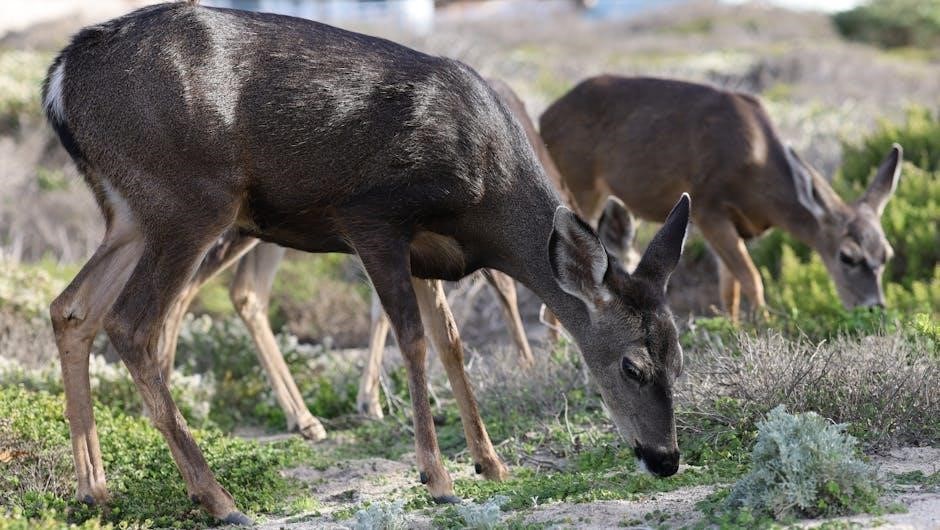
Planning Your Guided Mule Deer Hunt
Successful hunts require diligent planning, including understanding tag application deadlines – varying by state from March to July – and securing necessary preference points.
Understanding Tag Application Deadlines
Navigating mule deer tag applications demands meticulous attention to state-specific deadlines, which fluctuate considerably. Some states, like certain western regions, establish deadlines as early as March and April, requiring proactive planning well in advance of the hunting season. Others extend the application window into the summer months, with deadlines falling in June or July.
It’s crucial to thoroughly research and understand the regulations and guidelines for the specific state you intend to hunt in. Failing to meet these deadlines can result in ineligibility for coveted tags, potentially delaying your hunting opportunity for an entire year. Prioritize studying official state wildlife agency resources for accurate and up-to-date information.
State-Specific Regulations and Guidelines
Mule deer hunting is governed by a complex web of state-specific regulations and guidelines, varying significantly across the Western United States. These rules dictate legal hunting methods, season dates, bag limits, and reporting requirements. Understanding these nuances is paramount for a successful and ethical hunt.
States like Colorado manage hunts to distribute hunters across extended seasons, leveraging abundant habitat. Conversely, Utah faces concerns regarding herd health and management, impacting tag allocations. Wyoming balances popularity with both resident and non-resident hunters. Always consult the official hunting regulations handbook for your chosen state before embarking on your guided hunt.
Acquiring Preference Points
Securing a coveted mule deer tag often requires accumulating preference points, a system used by many Western states to prioritize applications. These points are earned by applying for a tag annually, even if unsuccessful. The more points accumulated, the higher the chance of drawing a tag in future seasons.
Application deadlines vary significantly – some states, like certain ones, have spring deadlines (March/April), while others extend into the summer (June/July). Diligently studying each state’s regulations is crucial for maximizing your point accrual and ultimately, your opportunity to experience a guided mule deer hunt.
Choosing the Right Outfitter
Selecting a reputable outfitter is paramount for a successful and ethical guided mule deer hunt. Thorough research is essential; investigate their experience, success rates, and knowledge of the specific hunting area. Seek out outfitters with a strong commitment to fair chase principles and responsible wildlife management.
Consider factors like the outfitter’s access to private land, the quality of their equipment, and the guide-to-hunter ratio. Reading reviews and obtaining references from past clients can provide valuable insights. A skilled outfitter will significantly enhance your chances of a memorable and rewarding hunting experience.
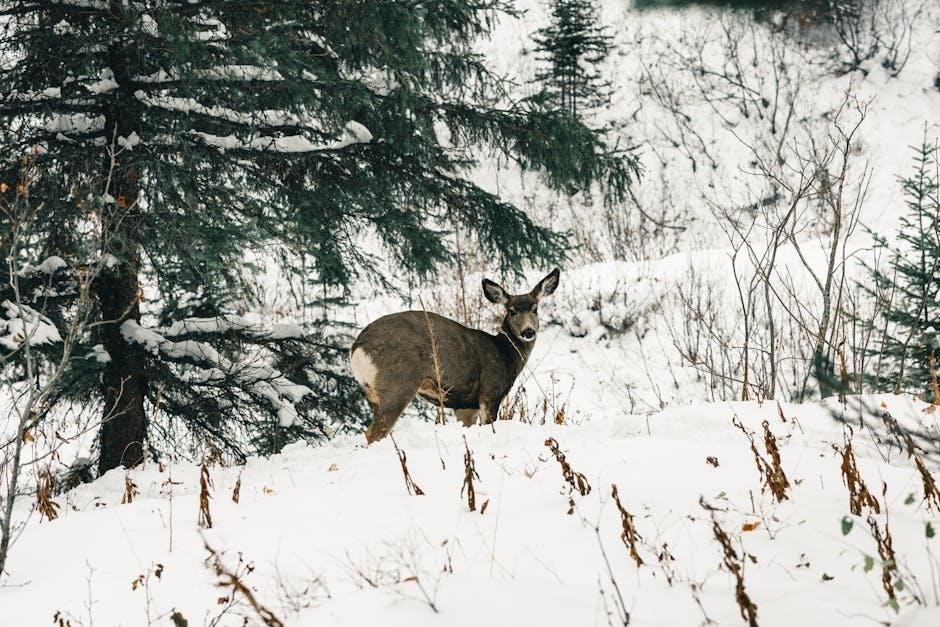
Essential Gear and Preparation
Proper gear and physical conditioning are crucial for navigating mule deer terrain. Quality rifles, optics, and appropriate clothing ensure comfort, safety, and hunting success.
Recommended Hunting Rifles and Ammunition
Selecting the right rifle and ammunition is paramount for ethical and effective mule deer hunting. Commonly, cartridges in the .270 Winchester, .30-06 Springfield, or 6.5 Creedmoor ranges are favored due to their flat trajectories and sufficient energy for longer shots typical in open country.
Rifle choice depends on hunter preference and physical capability, with bolt-action rifles being highly recommended for their accuracy and reliability. Premium ammunition featuring controlled expansion bullets ensures maximum weight retention and penetration, vital for a clean kill.
Guides often advise on caliber selection based on specific hunt locations and anticipated shot distances, ensuring hunters are well-equipped for success.
Clothing and Footwear for Mule Deer Terrain
Mule deer hunts often demand adaptability in clothing due to fluctuating mountain weather. Layering is crucial – start with moisture-wicking base layers, add insulating mid-layers (fleece or down), and finish with a waterproof and windproof outer shell.
Camouflage patterns should blend with the local environment. Sturdy, broken-in hiking boots are essential for navigating rugged terrain; ensure they provide ankle support and traction.
Don’t forget warm socks, gloves, and a hat, even in milder conditions. Guides will often provide specific recommendations based on the hunt’s location and time of year.
Optics: Binoculars and Spotting Scopes
High-quality optics are indispensable for successful mule deer hunts, enabling hunters to locate and assess animals at considerable distances. Binoculars with 10×42 or 12×50 magnification are ideal for general glassing and identifying deer in open country.
A spotting scope, typically with 15-60x magnification, is crucial for detailed observation of distant bucks and evaluating antler size and quality.
Consider models with angled eyepieces for comfortable viewing from various positions. A tripod is essential for steadying the spotting scope, ensuring clear and accurate observations.
Navigation Tools: GPS and Maps
Reliable navigation is paramount when venturing into remote mule deer hunting areas. A handheld GPS unit, pre-loaded with topographic maps and waypoints, is essential for tracking your location and marking key landmarks like bedding areas or water sources.
Traditional paper maps and a compass serve as vital backups in case of GPS failure or battery depletion.
Familiarize yourself with map reading skills and practice using both tools before the hunt. Knowing how to pinpoint your position and navigate safely is crucial for a successful and secure experience.
Hunting Techniques Employed by Guides
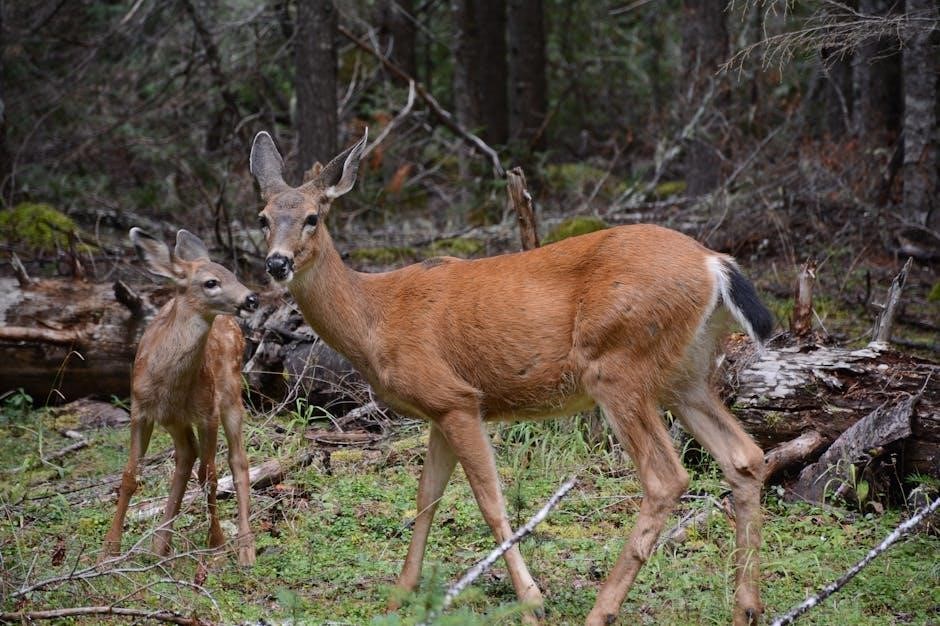
Experienced guides utilize diverse strategies like spot and stalk, still hunting, and employing decoys or calls to effectively pursue mature mule deer in varied landscapes.
Spot and Stalk Strategies
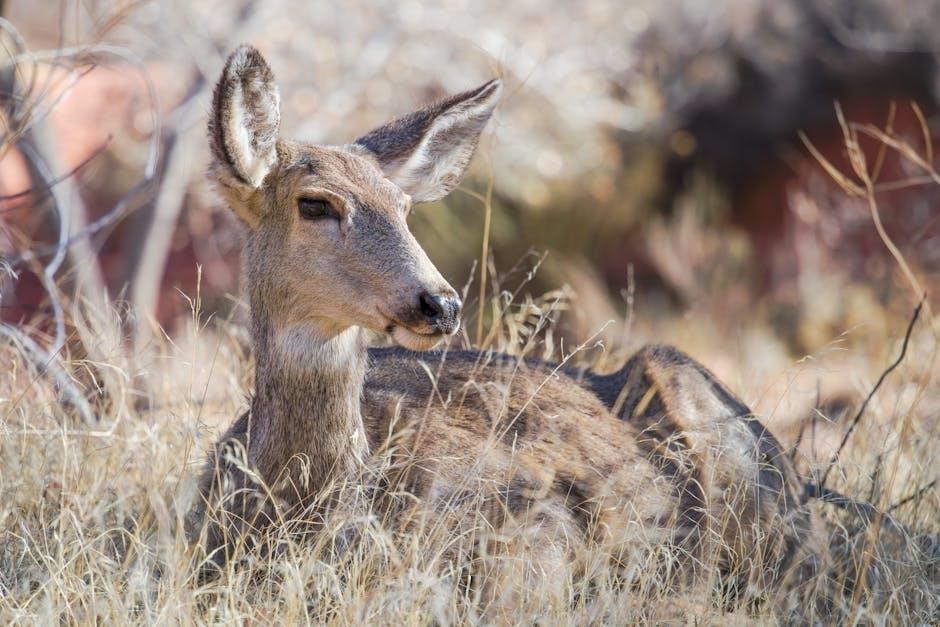
Spot and stalk hunting, a cornerstone of guided mule deer hunts, demands patience and keen observation skills. Guides expertly glass expansive terrain, utilizing binoculars and spotting scopes to locate bucks. Once a target animal is identified, a meticulous stalk begins, factoring in wind direction, cover, and the deer’s behavior.
Successful stalks require slow, deliberate movements, utilizing natural contours and vegetation for concealment. Guides possess intimate knowledge of mule deer habits, predicting their movements and positioning hunters for optimal shot opportunities. This technique is particularly effective in open country, allowing for long-range shots when necessary, but prioritizing ethical shot placement remains paramount.
Still Hunting Methods
Still hunting, a classic mule deer tactic employed by experienced guides, involves slow, methodical movement through the terrain. Hunters pause frequently, carefully scanning for any sign of deer – tracks, rubs, or fresh droppings. This method relies on minimizing noise and blending into the environment, becoming a silent observer within the deer’s habitat.
Guides expertly read the landscape, identifying likely travel corridors and bedding areas. They instruct hunters on proper foot placement and wind awareness, crucial for avoiding detection. Still hunting demands intense concentration and patience, often yielding opportunities at close range. It’s a rewarding technique that connects hunters deeply with the wilderness and the animal they pursue.
Utilizing Decoys and Calls
Decoys and calls can be strategic tools in a guide’s arsenal, though their effectiveness with mature mule deer requires finesse. Guides understand when and where to employ these techniques, often during the rut when bucks are actively seeking does. Decoys can draw attention, creating a shot opportunity, while calls mimic estrous bleats or challenge grunts.
However, guides caution against overuse, as wary bucks may detect deception. Successful implementation depends on reading the deer’s behavior and adapting the strategy accordingly. Proper setup, wind direction, and realistic sound reproduction are paramount. It’s a calculated risk, potentially increasing chances, but requiring expert judgment.
Post-Harvest Considerations
Post-harvest tasks include prompt field dressing, proper meat care to preserve quality, and adhering to legal reporting requirements for a successful and ethical hunt.
Field Dressing and Meat Care
Proper field dressing is crucial immediately after a successful harvest, initiating the cooling process and preventing spoilage. Experienced guides expertly handle this, ensuring a clean and efficient process. Rapid cooling is paramount; guides often utilize game bags and strategically position the animal to maximize airflow.
Maintaining meat quality requires diligent attention to detail. Guides understand the importance of protecting the meat from dirt, insects, and direct sunlight. They’ll often transport the harvest to a cooler or processing facility as quickly as possible, adhering to strict hygiene standards to deliver premium venison.
Transportation of Trophy Animals
Transporting a trophy mule deer requires careful planning and adherence to state regulations; Guided hunts typically include assistance with this process, ensuring legal and ethical handling of the animal. Guides are well-versed in tagging requirements and documentation needed for interstate transport, if applicable;
Proper care during transport prevents damage to the cape for potential taxidermy. Many outfitters offer arrangements for transporting the animal to a taxidermist, or provide guidance on proper field preparation for self-transport. They prioritize preserving the trophy’s quality throughout the entire journey, from field to final destination.
Legal Requirements for Reporting Harvests
Reporting a mule deer harvest is a crucial legal obligation for all hunters, and guided hunts streamline this process. Outfitters are intimately familiar with each state’s specific reporting deadlines and procedures, ensuring full compliance. Typically, this involves submitting harvest data online or via phone, including details like date, location, and weapon used.
Failure to report a harvest can result in fines or loss of hunting privileges. Guides assist clients in accurately completing the necessary paperwork, minimizing potential legal issues. They emphasize responsible hunting practices and adherence to wildlife management regulations, contributing to conservation efforts.
Conservation and Ethical Hunting
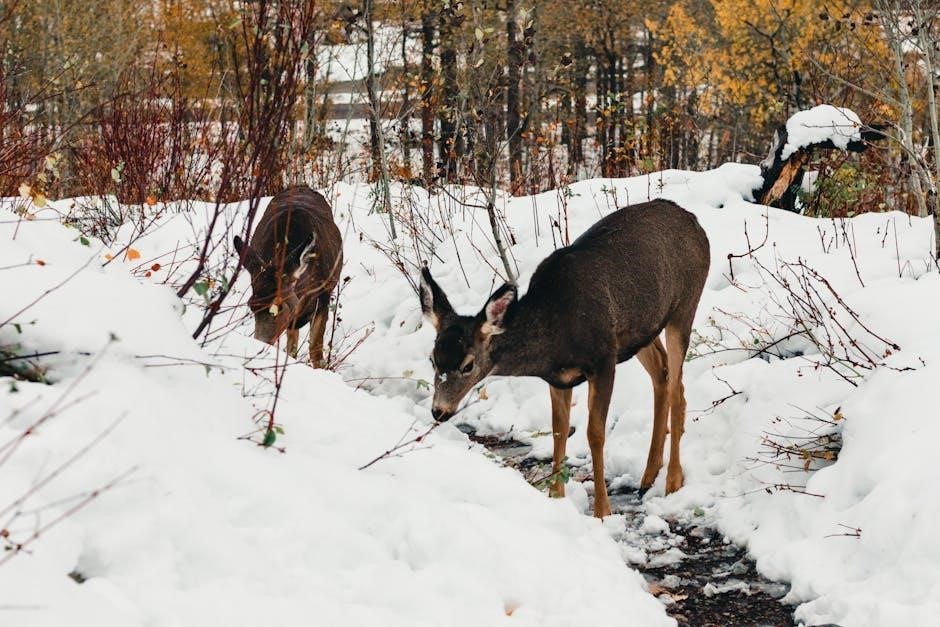
Ethical hunting and conservation are paramount; supporting organizations like the Mule Deer Foundation ensures healthy herds and habitats for future generations of hunters.
Mule Deer Foundation Support
Supporting the Mule Deer Foundation (MDF) is a crucial aspect of responsible hunting and conservation efforts. MDF actively works to conserve mule deer habitat, improve herd health, and advocate for science-based wildlife management policies.
Contributions to MDF directly fund research initiatives, habitat restoration projects, and educational programs that benefit mule deer populations across North America.
Guided outfitters often partner with MDF, demonstrating a commitment to sustainable hunting practices and the long-term health of the species. Hunters participating in guided hunts can further contribute by becoming MDF members or donating a portion of their hunt fees to the organization, ensuring the future of mule deer for generations to come.
Responsible Hunting Practices
Ethical hunting is paramount when participating in guided mule deer hunts. This includes adhering to all state regulations, practicing fair chase principles, and demonstrating respect for the animal and the environment.
Responsible hunters prioritize shot placement for a quick, humane harvest and make every effort to retrieve and utilize the entire animal, minimizing waste.
Guided outfitters play a vital role in promoting responsible hunting by educating clients on ethical behavior and ensuring hunts are conducted legally and sustainably. Respecting private property, minimizing disturbance to wildlife, and leaving the hunting area as you found it are all essential components of responsible hunting practices.
North Dakota Conservation Efforts
North Dakota’s mule deer conservation focuses on habitat improvement and population monitoring, despite having a smaller mule deer population compared to western states. The North Dakota Game and Fish Department utilizes revenue generated from raffles and auctions of a single mule deer license annually.
These funds are directly allocated to mule deer conservation projects within the state, supporting initiatives aimed at enhancing habitat quality and addressing factors limiting population growth. Collaboration with organizations like the Mule Deer Foundation further strengthens these efforts, ensuring the long-term health and sustainability of North Dakota’s mule deer herd.
Unique Hunting Locations
Catalina Island presents a unique mule deer hunting experience, while over-the-counter (OTC) opportunities in states like Montana offer accessible guided hunts for diverse skill levels.
Catalina Island Mule Deer Hunts
Catalina Island, off the coast of California, provides a remarkably unique mule deer hunting experience unlike any other in North America. Introduced in the early 1920s, the island’s mule deer population thrives in a Mediterranean-style environment, offering a distinct challenge for hunters.
Guided hunts are typically the only way to access these opportunities, with limited permits available. Local guides, like Ben Myhre, possess invaluable knowledge of the island’s terrain and deer behavior. Expect a physically demanding hunt involving steep canyons and dense brush. This hunt is a truly exceptional adventure for those seeking a non-traditional mule deer pursuit.
Over-the-Counter (OTC) Opportunities
Over-the-counter (OTC) mule deer tags represent a convenient pathway for hunters seeking immediate access to hunting opportunities without navigating complex draw systems. States like Idaho and Montana frequently offer OTC options, particularly for non-residents, simplifying the planning process.
While OTC tags provide accessibility, competition can be fierce, especially in easily accessible areas. Guided hunts in these states can significantly improve success rates by leveraging guides’ knowledge of less-pressured locations and effective hunting strategies. These hunts are ideal for those desiring a more streamlined and productive experience.
Future Trends in Guided Mule Deer Hunting
Future trends indicate habitat loss and changing regulations will impact guided hunts, demanding adaptable strategies and increased conservation efforts for sustainable mule deer populations.
Impact of Habitat Loss
Habitat loss presents a significant and growing challenge to mule deer populations, directly impacting the success and future of guided hunts. Development, energy exploration, and altered fire regimes contribute to fragmentation and reduction of crucial foraging and wintering grounds. This forces deer into smaller areas, increasing competition and stress, and potentially lowering overall herd health.
Consequently, guided outfitters may face increased pressure to access remaining quality habitat, potentially leading to higher costs and limited availability for hunters. Conservation organizations, like the Mule Deer Foundation, are vital in mitigating these effects through habitat restoration and advocacy for responsible land management practices. Addressing habitat loss is paramount for ensuring the long-term viability of both mule deer and the guided hunting industry.
Changing Regulations and Tag Availability
Fluctuating regulations and tag availability significantly influence the guided mule deer hunt landscape. States continually adjust hunting policies based on population surveys, habitat conditions, and management goals. Application deadlines vary – some in spring (March/April), others in summer (June/July) – demanding diligent hunter preparation.
Increased demand and limited tag allocations, particularly in popular states, necessitate acquiring preference points over several years to improve drawing odds. Outfitters closely monitor these changes, advising clients on optimal strategies. Shifts in tag structures, like combination deer/elk tags in Montana, also impact hunt planning. Staying informed about state-specific rules is crucial for a successful and legal hunt.