
This anthology explores diverse representations of struggle‚ examining both internal and external battles. Poems delve into political turmoil‚ social injustice‚ and moral dilemmas‚ offering rich material for analysis.
Overview of the Anthology’s Focus
The Power and Conflict poetry anthology‚ central to GCSE English Literature‚ meticulously examines the complex interplay between individuals and the forces shaping their worlds. Poems within showcase a spectrum of conflicts – from deeply personal‚ internal struggles to large-scale political and social upheavals. A key focus lies in how poets utilize language and form to convey the intensity and consequences of these conflicts.
The anthology isn’t merely about depicting clashes; it’s about dissecting the dynamics of power – who wields it‚ how it’s abused‚ and how individuals respond to oppression. Students are encouraged to analyze how poets present themes of injustice‚ resistance‚ and the enduring human spirit in the face of adversity. Exploring these themes prepares students for comparative analysis and critical thinking.
The Significance of Power Dynamics in Poetry
Power dynamics are fundamentally woven into the fabric of the Power and Conflict anthology. Poems consistently reveal how power imbalances – whether social‚ political‚ or personal – fuel conflict and shape human experiences. Analyzing these dynamics requires understanding who holds authority‚ and how that authority is exercised‚ often leading to oppression or resistance.
Poets skillfully expose the consequences of unchecked power‚ exploring themes of control‚ manipulation‚ and the struggle for agency. The anthology demonstrates that conflict frequently arises from disparities in power‚ and that challenging these structures is a recurring motif. Students must consider how poetic techniques emphasize these power struggles‚ revealing the complexities of human interaction.
Understanding Conflict as a Central Theme
Conflict serves as the unifying thread throughout the Power and Conflict anthology‚ manifesting in myriad forms. It’s not merely about physical battles‚ but also encompasses internal struggles‚ moral dilemmas‚ and social unrest. The anthology encourages exploration of how conflict drives change‚ exposes injustice‚ and reveals the complexities of the human condition.
Poems present conflict as both a destructive force and a catalyst for growth. Recognizing the different types of conflict – internal versus external‚ political versus personal – is crucial for insightful analysis. Students should consider how poets utilize language and structure to convey the intensity and consequences of these conflicts‚ fostering a deeper understanding of their significance.
Key Poems and Their Exploration of Conflict
Featured poets like Blake‚ Duffy‚ and Rossetti powerfully illustrate conflict’s diverse facets—from repressed emotions to societal pressures and violent upheaval.
William Blake ‒ ‘A Poison Tree’
Blake’s ‘A Poison Tree’ masterfully portrays the insidious nature of concealed resentment. The poem charts a speaker’s journey from initial anger to calculated deception‚ culminating in a fatal outcome. Internal conflict is central‚ as the speaker chooses repression over honest expression‚ nurturing his wrath “in the night.”
Symbolism is key; the ‘poison tree’ represents the destructive power of unacknowledged emotions. The poem explores how suppressed anger can fester and ultimately harm both the individual and others. Hidden resentment grants a deceptive power‚ allowing the speaker to manipulate and ultimately destroy his foe‚ highlighting the dangers of unchecked negative feelings.
Internal Conflict and Repression
‘A Poison Tree’ vividly illustrates the torment of internal conflict‚ specifically the struggle between expressing and suppressing anger. The speaker’s deliberate choice to “hold” his wrath‚ rather than voicing it‚ initiates a destructive psychological process. This repression isn’t peaceful; it’s a breeding ground for resentment‚ fueled by secrecy and self-deception.
Blake presents this internal battle as a form of self-inflicted suffering. The poem suggests that concealing emotions doesn’t eliminate them‚ but rather transforms them into something far more dangerous. This internal struggle demonstrates the power of the mind to nurture and weaponize negative feelings‚ ultimately leading to tragic consequences.
The Power of Hidden Resentment
‘A Poison Tree’ powerfully demonstrates how concealed resentment can grow into a destructive force. The speaker’s carefully cultivated anger‚ nurtured in “secret‚” blossoms into a deadly “apple” – a symbol of the poisonous consequences of repressed emotion. This illustrates the insidious power of unresolved conflict‚ festering beneath a surface of deceptive calm.
Blake suggests that suppressing anger doesn’t diminish its potency; instead‚ it amplifies it‚ transforming it into something capable of inflicting harm. The poem’s chilling conclusion reveals the devastating impact of this hidden resentment‚ highlighting its capacity to destroy both the individual harboring it and their perceived enemy.

Carol Ann Duffy ‒ ‘Belfast Confetti’
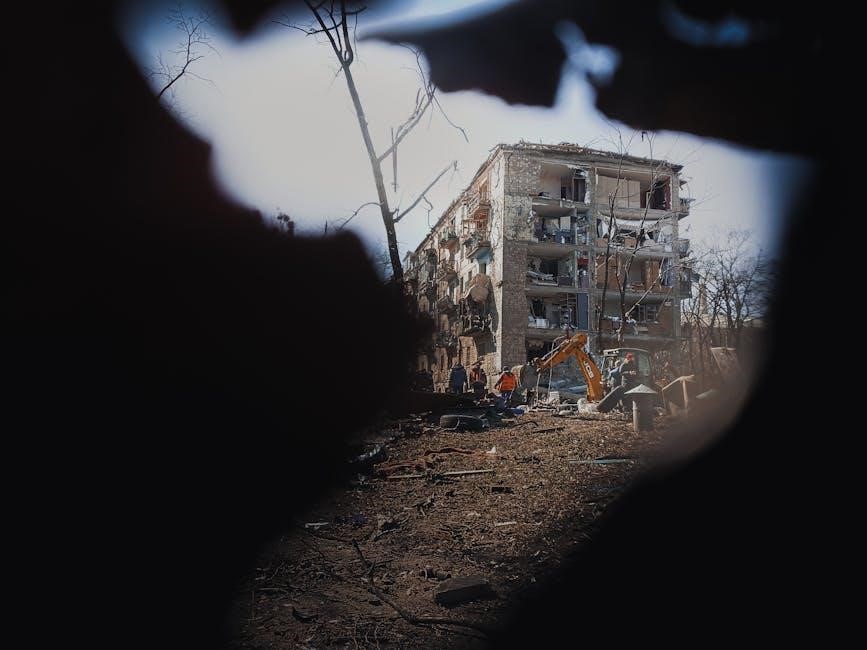
Duffy’s ‘Belfast Confetti’ vividly portrays conflict as chaotic violence‚ dismantling traditional poetic form to mirror the disruption of political turmoil in Northern Ireland. The poem’s fragmented structure‚ utilizing enjambment and jarring imagery‚ replicates the experience of a bombing and its aftermath. Everyday objects – “balaclava‚” “armalite‚” “helicopter” – are juxtaposed with celebratory imagery like “confetti‚” creating a disturbing contrast.
The poem captures the senselessness and brutality of the Troubles‚ highlighting the devastating impact on ordinary citizens caught in the crossfire. Duffy’s use of onomatopoeia and harsh sounds further intensifies the sense of violence and disorientation‚ conveying the psychological trauma of living in a conflict zone.
Conflict as Violence and Chaos
Several poems within the anthology‚ notably ‘Belfast Confetti’ and potentially others‚ directly represent conflict through scenes of physical violence and widespread chaos. These portrayals aren’t romanticized; instead‚ they emphasize the brutal realities of war and unrest‚ focusing on the disruption of everyday life and the psychological toll on individuals.
The use of fragmented language‚ jarring imagery‚ and onomatopoeia effectively conveys the disorientation and terror experienced during violent events. This approach moves beyond simply depicting conflict to immersing the reader in its chaotic nature‚ highlighting the loss of control and the breakdown of social order. Such depictions often serve as critiques of the forces driving the violence.
The Impact of Political Turmoil
The anthology powerfully illustrates how political unrest profoundly impacts individuals and communities. Poems like ‘Belfast Confetti’ directly address the consequences of political division and violence‚ showcasing the disruption of ordinary lives and the pervasive sense of fear. These works often explore themes of identity‚ belonging‚ and the struggle for self-determination within politically charged environments.
Furthermore‚ the poems reveal how political ideologies can be used to justify oppression and control‚ leading to widespread suffering. The anthology encourages readers to critically examine the motivations behind political conflict and to consider the long-lasting effects of turmoil on both individuals and society as a whole.
Christina Rossetti ‒ ‘Cousin Kate’
Rossetti’s ‘Cousin Kate’ presents a compelling exploration of interpersonal conflict rooted in societal constraints and power imbalances. The poem details a narrative of seduction and abandonment‚ highlighting the vulnerability of women within Victorian social structures. Kate’s position as a marginalized figure contrasts sharply with the privileged status of the narrator‚ revealing a clear power dynamic.
The poem subtly critiques the double standards applied to men and women‚ showcasing the consequences faced by women who transgress societal norms. ‘Cousin Kate’ effectively demonstrates how social expectations can fuel conflict and perpetuate injustice‚ offering a nuanced perspective on relationships and power.
Interpersonal Conflict and Social Constraints
‘Cousin Kate’ vividly portrays interpersonal conflict deeply intertwined with rigid social constraints of the Victorian era. The poem’s central tension arises from a love affair and its aftermath‚ exposing the societal pressures placed upon women regarding reputation and morality. Kate’s ostracism demonstrates the severe consequences of defying these expectations.
Rossetti skillfully illustrates how societal norms dictate acceptable behavior‚ creating a power imbalance that disadvantages women. The poem highlights the limited agency available to individuals navigating these constraints‚ resulting in emotional turmoil and fractured relationships. ‘Cousin Kate’ serves as a poignant critique of Victorian social hypocrisy.
Power Imbalances in Relationships
‘Cousin Kate’ masterfully depicts stark power imbalances within relationships‚ particularly those shaped by Victorian social structures. The speaker’s former lover holds significant power due to his social standing and ability to dictate the narrative of their affair. Kate‚ as the ‘fallen’ woman‚ experiences a loss of agency and societal acceptance.
Rossetti exposes how patriarchal norms grant men control over women’s reputations and futures. The poem subtly critiques the double standards applied to men and women‚ highlighting the unequal distribution of power. ‘Cousin Kate’ reveals the devastating consequences of these imbalances‚ leaving Kate marginalized and ostracized.
Types of Conflict Represented
The anthology showcases internal struggles‚ external clashes‚ political unrest‚ and ethical dilemmas. Poems often blend these‚ revealing conflict’s complex and multifaceted nature.

Internal vs. External Conflict
The anthology masterfully presents both internal and external conflicts‚ often intertwined. Internal conflict‚ focusing on psychological and emotional turmoil‚ is powerfully depicted in poems like ‘A Poison Tree’‚ exploring repressed resentment. Conversely‚ external conflicts manifest as struggles against societal forces or other individuals‚ vividly illustrated in ‘Belfast Confetti’ with its portrayal of political violence and chaos.
Understanding this distinction is crucial; poems rarely present conflict in isolation. External events frequently trigger internal struggles‚ and vice versa. Creative comparative analysis should avoid simplistic categorizations‚ recognizing the nuanced interplay between these conflict types. Recognizing this duality enhances comprehension of the anthology’s depth.
Political and Social Conflict
Several poems within the anthology directly confront political and social unrest‚ exposing injustice and power imbalances. ‘Belfast Confetti’ exemplifies this‚ vividly depicting the chaotic violence of the Troubles and its impact on individuals. These poems aren’t merely historical accounts; they explore the enduring consequences of conflict on communities and personal identities.
Furthermore‚ the anthology reveals how social constraints and expectations can fuel conflict‚ as seen in poems examining societal norms and oppression. Analyzing these poems requires understanding the historical and social contexts in which they were created‚ recognizing how they challenge or reinforce existing power structures.
Moral and Ethical Conflict
The anthology presents compelling explorations of moral and ethical dilemmas‚ forcing readers to confront difficult questions about right and wrong. ‘A Poison Tree’ masterfully illustrates internal conflict arising from repressed anger and the ethical implications of harboring resentment. These poems often lack easy answers‚ instead presenting nuanced perspectives on complex moral issues.
Analyzing these works demands careful consideration of the speaker’s motivations and the consequences of their actions. The poems challenge conventional morality‚ prompting reflection on personal responsibility and the potential for both good and evil within individuals. Ultimately‚ they highlight the subjective nature of ethical judgments.

Analyzing Poetic Techniques
Effective analysis requires examining imagery‚ symbolism‚ structure‚ and language. These elements powerfully convey tension and conflict‚ shaping the reader’s understanding of each poem’s core themes.

Imagery and Symbolism in Conveying Conflict
Poets skillfully employ imagery and symbolism to represent abstract concepts of power and conflict. For instance‚ in ‘A Poison Tree‚’ Blake’s garden imagery symbolizes the growth of suppressed anger. Similarly‚ ‘Belfast Confetti’ utilizes fragmented imagery to mirror the chaos and violence of political unrest.
Symbolism often operates on multiple levels‚ enriching the poem’s meaning. Analyzing these techniques reveals how poets convey emotional intensity and the psychological impact of conflict. Consider how specific images evoke particular feelings or represent broader societal issues. Understanding these layers is crucial for a comprehensive interpretation of the anthology’s poems.
Use of Structure and Form to Reflect Tension
Poetic form isn’t merely aesthetic; it actively contributes to conveying conflict. Irregular structures‚ like in ‘Belfast Confetti‚’ mirror the disruption and chaos of violence‚ while tightly controlled forms can represent repression. Consider enjambment‚ caesura‚ and rhyme schemes – how do these choices build or release tension?
The deliberate use of stanza length and line breaks can emphasize specific words or ideas‚ heightening emotional impact. Analyzing a poem’s structure reveals how the poet manipulates the reader’s experience to reflect the internal or external struggles depicted. Form becomes a powerful tool for embodying the very conflict explored within the verses.
Language and Tone: Creating a Sense of Conflict
Poets employ specific language choices to establish a palpable sense of conflict. Consider the use of violent imagery‚ harsh sounds (cacophony)‚ and emotive diction. Tone – whether accusatory‚ despairing‚ or defiant – profoundly shapes the reader’s understanding of the struggle presented.
Metaphor and simile can powerfully convey abstract conflicts‚ while direct address can create a confrontational atmosphere. Analyzing the poet’s word choices reveals their attitude towards the conflict and its participants. Language isn’t neutral; it’s a weapon used to shape perception and evoke emotional responses‚ intensifying the feeling of discord.
The Role of Power in the Anthology
Poems reveal how power structures oppress‚ inspire resistance‚ and are often abused. Exploration of imbalances and their consequences is central to the anthology’s themes.
Power Structures and Oppression
Many poems within the anthology vividly illustrate the damaging effects of established power structures and the resulting oppression. These structures aren’t always governmental; they can be societal norms‚ gender roles‚ or even interpersonal dynamics. ‘Cousin Kate’‚ for instance‚ exposes the constraints placed upon women and the power held by those who adhere to societal expectations.
Furthermore‚ the anthology demonstrates how those in positions of authority can exploit their power‚ leading to injustice and suffering. ‘A Poison Tree’ subtly reveals the oppressive nature of repressed anger and the power it wields over the speaker’s psyche. Analyzing these poems allows students to understand how power imbalances contribute to conflict and perpetuate cycles of oppression.
Resistance to Power and Authority
The anthology doesn’t solely focus on the imposition of power; it also showcases various forms of resistance. This resistance can be overt‚ like direct rebellion‚ or more subtle‚ such as internal defiance or the preservation of identity in the face of oppression. ‘Belfast Confetti’‚ though depicting chaos‚ implicitly resists the silencing effects of political conflict through its fragmented and visceral language.
Moreover‚ poems explore how individuals challenge established norms and fight for agency. This resistance isn’t always successful‚ but the act of challenging authority itself is significant. Examining these acts of defiance provides insight into the human spirit’s capacity to endure and fight against injustice‚ even in the most challenging circumstances.
The Abuse of Power and its Consequences
Several poems within the anthology vividly illustrate the destructive consequences of unchecked power. ‘A Poison Tree’ exemplifies how suppressed resentment‚ fueled by a power imbalance‚ can fester and ultimately lead to devastating outcomes‚ both for the individual and potentially others. The poem subtly critiques the dangers of internalized anger and its potential for violent expression.
Furthermore‚ the anthology demonstrates how abuse of power can manifest in social and political contexts‚ leading to widespread suffering and injustice. The poems force readers to confront the ethical implications of dominance and control‚ prompting reflection on the responsibilities that accompany positions of authority.

Exam Preparation and Revision Strategies
Success requires understanding assessment objectives‚ comparative poem analysis‚ and utilizing revision guides like Collins GCSE Grade 9-1 Revision for thorough preparation.
Understanding Assessment Objectives
Assessment focuses on analytical skills‚ demanding students explore how poets present conflict and power. Examiners seek evidence of close reading‚ identifying poetic techniques – imagery‚ structure‚ and language – and explaining their effects.
Crucially‚ responses must demonstrate understanding of context‚ linking poems to their historical and social backgrounds. Comparative analysis is vital; students should effectively contrast and compare different poems‚ highlighting similarities and differences in their approaches to the themes.
Furthermore‚ articulating a clear‚ well-supported argument is essential‚ showcasing insightful interpretations and a nuanced grasp of the anthology’s complexities. Mastering these objectives ensures strong performance.
Comparative Analysis of Poems
Effective comparison avoids simply listing similarities; instead‚ focus on how poets achieve similar effects through different methods. For example‚ contrast Blake’s subtle repression in ‘A Poison Tree’ with Duffy’s chaotic depiction of violence in ‘Belfast Confetti’.
Consider thematic links – how do poems explore power imbalances or the consequences of conflict? Analyze structural choices; does a poem’s form reinforce its message?
Strong responses demonstrate insightful connections‚ moving beyond surface-level observations. Creative comparisons‚ avoiding obvious pairings‚ showcase a deeper understanding of the anthology’s breadth and the poets’ individual voices.
Utilizing Revision Guides and Resources (e.g.‚ Collins GCSE Grade 9-1 Revision)
Revision guides‚ like the Collins GCSE Grade 9-1 series‚ provide structured overviews of each poem‚ key themes‚ and potential essay questions. However‚ don’t rely solely on these – use them as a starting point for independent analysis.
Supplement with online resources‚ past papers‚ and critical essays. Focus on developing your own interpretations and supporting them with textual evidence. Practice comparative analysis regularly‚ timing yourself to simulate exam conditions.
Remember‚ resources are tools; genuine understanding comes from active engagement with the poems themselves.

Statistical Power Analysis and the Anthology (GPower)
GPower can identify patterns in conflict representation‚ analyzing the ‘strength’ of themes across poems within the anthology‚ revealing statistical trends.
Applying Statistical Concepts to Literary Analysis
Employing statistical power analysis‚ like using GPower‚ offers a novel lens for examining the ‘Power and Conflict’ anthology. Traditionally‚ literary analysis relies on qualitative interpretation; however‚ quantifying conflict representation allows for identifying dominant themes and patterns. We can assess the frequency of specific poetic devices—imagery of violence‚ for instance—across multiple poems.
This approach doesn’t replace critical reading‚ but supplements it. By treating thematic elements as ‘data points‚’ we can determine if observed trends are statistically significant‚ or simply due to chance. Analyzing the prevalence of internal versus external conflict‚ or the representation of power imbalances‚ becomes more rigorous. Ultimately‚ this method provides a unique perspective on the anthology’s overall message.
Identifying Patterns and Trends in Conflict Representation
Across the ‘Power and Conflict’ anthology‚ recurring patterns emerge in how conflict is portrayed. A prominent trend is the link between conflict and change‚ often highlighting injustice and power imbalances. Many poems explore both internal‚ emotional struggles and external‚ societal clashes‚ sometimes simultaneously. Statistical analysis can reveal if certain types of conflict—political‚ interpersonal‚ or moral—are more frequently represented than others.
Furthermore‚ examining the use of poetic techniques‚ like imagery and symbolism‚ can uncover shared approaches to conveying tension. Identifying these trends allows for a deeper understanding of the anthology’s overarching concerns and the poets’ collective response to themes of power and struggle.
Analyzing the ‘Strength’ of Conflict in Different Poems
Determining the ‘strength’ of conflict within each poem involves assessing the intensity and consequences of the struggles depicted. Poems like ‘Belfast Confetti’ demonstrate a high degree of conflict due to overt violence and political turmoil‚ while ‘A Poison Tree’ presents a more insidious‚ repressed form. GPower‚ a statistical tool‚ could theoretically be adapted to quantify elements contributing to conflict intensity—frequency of violent imagery‚ emotional language‚ or structural tension.
However‚ such quantification is challenging. Qualitative analysis‚ focusing on the impact of the conflict on characters and the overall message‚ remains crucial for a nuanced understanding.