Fake COVID-19 Results PDF: A Comprehensive Overview (as of 04/29/2026)
As of today, 04/29/2026, fraudulent COVID-19 PDF results are rampant, impacting travel, public health, and trust – cases in Venice, Hawaii, India, and Los Angeles demonstrate this.
The Rise of Fake COVID-19 Test Results
The proliferation of forged COVID-19 test results, particularly in PDF format, dramatically increased alongside evolving travel restrictions and public health mandates. Initially, the demand stemmed from individuals seeking to bypass quarantine requirements, as evidenced by arrests in Hawaii involving travelers submitting falsified documents.
However, the issue quickly escalated, with reports surfacing of organized schemes like the Sameday Health scandal in Venice, where hundreds of customers received fabricated negative results. This indicates a shift from individual attempts to circumvent rules towards commercially driven fraud. The emergence of readily available forged results, sometimes costing around $150, further fueled the problem, demonstrating a concerning accessibility to these illicit documents. Investigations following events like the Kumbh Mela in India also highlighted the widespread nature of this deception.
Motivations Behind Forged Results
The driving forces behind obtaining fake COVID-19 test results are multifaceted. Primarily, individuals sought to avoid travel-related disruptions, including mandatory quarantines – as seen with arrests in Hawaii – and restrictions on entry to specific locations. Economic factors also played a significant role; avoiding quarantine meant preserving income or enabling participation in events.
Furthermore, the Sameday Health scandal suggests a profit motive, with the company allegedly falsifying results for financial gain. The availability of forged documents for a fee (around $150) confirms a market driven by demand. Events like the Kumbh Mela investigation hint at motivations related to large gatherings and circumventing public health measures, demonstrating a disregard for collective safety.
Methods Used to Create Fake PDFs
The creation of fraudulent COVID-19 result PDFs ranges from simple alterations to sophisticated fabrication. Some individuals directly altered legitimate test results, manipulating data fields within existing PDF documents. Others utilized readily available templates, mimicking the format and branding of accredited testing labs, effectively creating entirely fabricated reports.
The ease of access to PDF editing software and online services facilitated this process. The brazen nature of the schemes, with forged results sold for around $150, suggests a low barrier to entry. Investigations into fraudulent testing sites, like those in Los Angeles County, reveal organized efforts to generate and distribute these fake documents, indicating a degree of technical proficiency.
Types of Fake COVID-19 Result Documents
Fake documents manifest as forged lab reports, altered official results, and completely fabricated PDFs, enabling individuals to bypass travel restrictions and quarantine mandates.
Forged Lab Reports (PDF Format)
Forged lab reports, disseminated as PDF documents, represent a significant portion of detected fraudulent results; These PDFs often mimic the appearance of legitimate reports from established testing facilities, incorporating logos, letterheads, and seemingly authentic data formats. However, closer inspection reveals inconsistencies – discrepancies in lab accreditation numbers, unusual formatting, or illogical test result timelines.
The Sameday Health scandal in Venice highlighted this, with hundreds of customers receiving falsified negative results presented as official PDF lab reports. These reports were created to circumvent travel requirements and allow access to events. The sophistication varies; some are crudely altered images, while others are meticulously crafted to appear genuine, requiring detailed verification to expose the deception. The ease of PDF manipulation contributes to the proliferation of these forged documents.
Altered Official Test Results
Altered official test results involve modifying genuine COVID-19 test documentation, rather than creating entirely new documents. This often entails manipulating PDF files to change a positive result to negative, or adjusting names and dates to match the perpetrator’s identity and travel plans. Sophisticated editing software allows for seamless alterations, making detection challenging without thorough scrutiny.
The Hawaii traveler quarantine violations exemplify this, where individuals submitted modified test results to bypass mandatory isolation periods. These alterations exploit vulnerabilities in the verification process, relying on quick visual checks rather than comprehensive data validation. The brazen nature of this fraud, with forged results being sold for around $150, underscores the demand and the willingness to circumvent public health measures. Detecting these alterations requires comparing the PDF with original records.
Completely Fabricated Documents
Completely fabricated documents represent the most overt form of COVID-19 result fraud, involving the creation of entirely false PDF reports. These documents often mimic the appearance of legitimate lab reports, incorporating logos, letterheads, and seemingly authentic data. However, closer inspection reveals inconsistencies, such as incorrect formatting, fabricated lab identifiers, or nonsensical test values.
The Sameday Health scandal in Venice highlights this, with allegations of creating fake results for hundreds of customers. These fabricated PDFs were used to facilitate travel and access to events, demonstrating the potential for widespread disruption. The ease with which these documents can be produced and distributed online fuels the problem, requiring robust verification methods and increased public awareness to combat this deceptive practice.
Legal Consequences of Using Fake Results
Utilizing forged COVID-19 results carries severe penalties, including criminal charges, travel restrictions, and jeopardizing public health, as evidenced by Hawaii and Venice cases.
Criminal Charges & Penalties
The fabrication or use of fake COVID-19 test results is increasingly met with substantial legal repercussions. Individuals caught presenting forged documents face a range of criminal charges, varying by jurisdiction, but often including fraud, forgery, and potentially even charges related to public endangerment.
In Hawaii, for example, individuals were arrested for submitting falsified results to bypass quarantine requirements, demonstrating a willingness to prosecute such offenses. Penalties can range from hefty fines – potentially reaching thousands of dollars – to imprisonment. The Sameday Health scandal in Venice highlights potential corporate liability, with financial penalties levied against the organization and individuals involved.
Furthermore, knowingly providing false information to authorities can lead to a criminal record, impacting future employment and travel opportunities. The severity of the penalties often depends on the intent and the potential harm caused by the fraudulent results.
Travel Restrictions & Implications
Fake COVID-19 results significantly disrupt travel protocols and carry severe implications for those attempting to circumvent restrictions. The documented cases of travelers using forged certificates to board flights demonstrate a widespread attempt to bypass testing and quarantine requirements. Hawaii authorities specifically arrested individuals for this offense, highlighting the seriousness with which these violations are treated.
Presenting a fraudulent result can lead to immediate denial of boarding, or upon arrival, mandatory quarantine at the traveler’s expense. Beyond immediate consequences, individuals may face substantial fines and potential legal prosecution. Airlines and travel authorities are increasingly vigilant, implementing stricter verification processes.
The use of fake documents undermines global efforts to manage the spread of disease and can lead to broader travel restrictions for all.
Impact on Public Health
Forged COVID-19 results pose a substantial threat to public health initiatives, directly hindering efforts to control disease transmission. The Sameday Health scandal, involving hundreds of falsified tests, exemplifies how such fraud can compromise community safety. Individuals falsely believing they are negative may unknowingly spread the virus, contributing to outbreaks and straining healthcare systems.
The Kumbh Mela investigation revealed similar risks, where fake tests potentially facilitated mass gatherings during a pandemic. This erodes the effectiveness of testing programs designed to identify and isolate infected individuals.
Ultimately, the proliferation of fake results undermines public trust in testing accuracy and jeopardizes collective immunity goals, prolonging the pandemic’s impact.
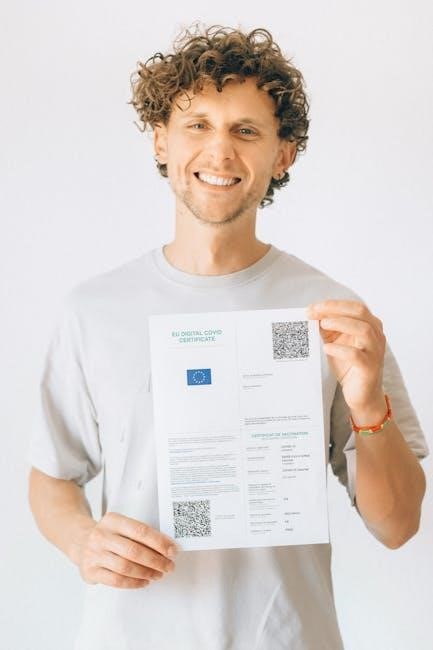
Notable Cases of Fake COVID-19 Results
Recent investigations highlight significant fraud: Sameday Health in Venice, Hawaii traveler quarantine breaches, the Kumbh Mela in India, and Los Angeles testing site scams.
Sameday Health Scandal (Venice)
The Venice-based Sameday Health faced severe repercussions for allegedly fabricating COVID-19 test results for a minimum of 500 customers. This shocking betrayal of public trust involved a partnership with Dr. Jeff Toll, M.D., who is now facing consequences alongside the company. Investigations revealed a systematic scheme to provide false negative results, enabling individuals to bypass health protocols and travel restrictions.
The scandal sparked outrage and prompted legal action, highlighting the vulnerability of testing systems to fraudulent activities. Authorities are actively pursuing charges and seeking restitution for affected individuals. This case serves as a stark warning about the dangers of relying on unverified testing providers and the critical need for stringent oversight in the healthcare sector. The fallout continues to unfold, impacting both the company’s reputation and public confidence in COVID-19 testing.
Hawaii Traveler Quarantine Violations
Hawaii authorities swiftly apprehended two California residents for presenting forged COVID-19 test results in an attempt to circumvent the state’s mandatory traveler quarantine. This deliberate act aimed to bypass crucial public health measures designed to protect the islands from virus spread. The individuals knowingly submitted falsified documentation, risking the health and safety of the local community.
The arrests underscore the increasing prevalence of fake test certificates and the lengths to which some individuals will go to avoid quarantine requirements. Hawaii’s strict enforcement policies demonstrate a commitment to safeguarding its residents and visitors. This incident serves as a deterrent, signaling that fraudulent attempts to enter the state will be met with legal consequences and reinforces the importance of honest testing practices.
Kumbh Mela Investigation (India)
Following the massive Kumbh Mela pilgrimage in Haridwar, Uttarakhand, investigations revealed widespread use of fraudulent COVID-19 test results. The Enforcement Directorate (ED), India’s law and economic intelligence agency, launched a probe into the matter, conducting several raids and examining financial transactions linked to the fake testing scheme. This investigation highlights the challenges of managing public health during large gatherings.
The ED’s focus centers on identifying individuals and entities involved in creating and distributing the forged results, potentially uncovering a larger network of fraud. The scale of the falsification raises concerns about the accuracy of testing data during the event and its impact on virus transmission. This case underscores the need for robust verification systems and stringent oversight of testing procedures at mass events.
Los Angeles County Fraudulent Testing Sites
Los Angeles County Supervisor Janice Hahn has repeatedly called for increased action against fraudulent COVID-19 testing sites operating within the county. Hahn sent a formal letter to the Department of Consumer and Business Affairs, urging a swift crackdown on these illicit operations. These sites often provide inaccurate or entirely fabricated test results, jeopardizing public health and safety.
The concern stems from reports of individuals obtaining negative results without actually being tested, allowing them to circumvent public health guidelines. This undermines efforts to control the spread of the virus and erodes trust in legitimate testing facilities. Hahn emphasizes the need for stricter regulations and enforcement to protect residents from these deceptive practices and ensure accurate testing data.
Detecting Fake COVID-19 Result PDFs
Identifying fraudulent PDFs requires careful visual inspection for inconsistencies, verification with official providers, and detailed analysis of the document’s metadata.
Visual Inspection for Discrepancies
A thorough visual examination of a COVID-19 result PDF is the first line of defense against fraudulent documents. Look for inconsistencies in formatting, such as mismatched fonts, pixelated logos, or unusual spacing. Pay close attention to the lab’s name and address; verify they align with legitimate testing centers. Scrutinize the date and time stamps – are they logical and consistent with testing protocols?
Examine the patient information for errors or alterations. Check for oddly cropped signatures or inconsistencies in the digital signature’s appearance. Be wary of PDFs that appear to be images rather than text-based documents, as these are easier to manipulate. Finally, assess the overall quality of the document; professionally produced reports typically exhibit a higher level of polish and clarity than hastily forged ones.
Verification with Official Testing Providers
Directly contacting the testing laboratory listed on the COVID-19 result PDF is crucial for verification. Most reputable providers offer online portals or dedicated phone lines for confirming test validity. Provide the lab with the test date, patient details, and any reference or specimen ID numbers found on the document.
Be prepared to provide identification to ensure privacy and security. Legitimate labs will readily confirm or deny the authenticity of the result. If a lab is unable to locate the record or expresses concerns, it’s a strong indicator of fraud. Remember the Sameday Health scandal; independent verification is now paramount. Don’t rely solely on the PDF – seek official confirmation.
PDF Metadata Analysis
Examining the PDF’s metadata can reveal inconsistencies indicative of forgery. This data, accessible through document properties in most PDF viewers, includes creation and modification dates, software used, and author information. Discrepancies between these details and the stated test date or lab procedures raise red flags.
Look for unusual software or author names not associated with recognized testing facilities. Metadata can also expose alterations – a recent modification date on an ostensibly old result is suspicious. While not foolproof, metadata analysis provides a valuable layer of scrutiny, especially considering the prevalence of fabricated documents like those seen in Hawaii and India. It’s a technical check complementing visual inspection.
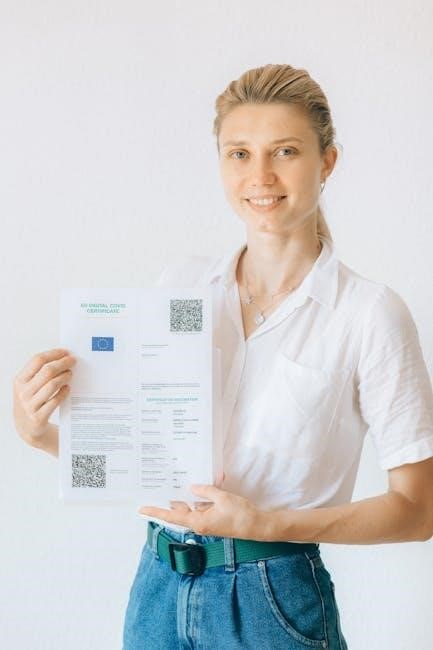
The Role of Technology in Combating Fraud
Technology offers solutions like blockchain verification, digital health passports, and AI fraud detection to counter the increasing sophistication of fake COVID-19 result PDFs.
Blockchain Solutions for Test Result Verification
Blockchain technology presents a compelling solution to the pervasive issue of fake COVID-19 test results. Its inherent security features – immutability and transparency – make it exceptionally difficult to tamper with recorded data. Each test result can be registered as a unique block on the chain, cryptographically linked to the previous one, creating an auditable and verifiable history.
This system allows authorized parties, such as airlines or health authorities, to instantly verify the authenticity of a result without relying on potentially forged PDFs. Individuals could potentially control access to their data, granting permissions as needed. While implementation faces challenges regarding data privacy and interoperability between different blockchain systems, the potential to drastically reduce fraud is significant, restoring trust in testing processes and facilitating safer travel and public health management.
Digital Health Passports
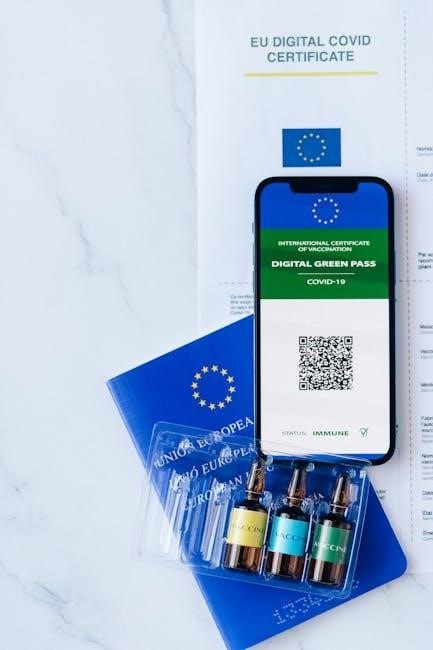
Digital health passports, leveraging smartphone technology, aim to provide a secure and verifiable record of COVID-19 testing and vaccination status. These passports, often integrated with test results, offer a potential barrier against the use of fake PDFs for travel and access to events. However, their effectiveness hinges on robust verification mechanisms to prevent forgery and ensure data integrity.
Concerns surrounding data privacy and equitable access remain paramount. Successful implementation requires international standardization and interoperability to facilitate seamless cross-border travel. The emergence of fraudulent certificates underscores the need for continuous innovation in security features, potentially incorporating blockchain technology or advanced biometric authentication to combat the escalating threat of fake results and maintain public trust.
AI-Powered Fraud Detection Systems
Artificial intelligence (AI) is increasingly deployed to identify fraudulent COVID-19 test result PDFs. These systems analyze documents for inconsistencies, anomalies in metadata, and deviations from established patterns indicative of forgery. Machine learning algorithms can be trained to recognize subtle alterations and fabricated elements often missed by human inspection.
AI can also cross-reference results with official testing databases, verifying authenticity in real-time. However, fraudsters continually adapt their methods, necessitating ongoing refinement of AI models. The effectiveness of these systems relies on access to comprehensive datasets and collaboration between healthcare providers, technology companies, and law enforcement to proactively counter the evolving landscape of fake result schemes and protect public health;
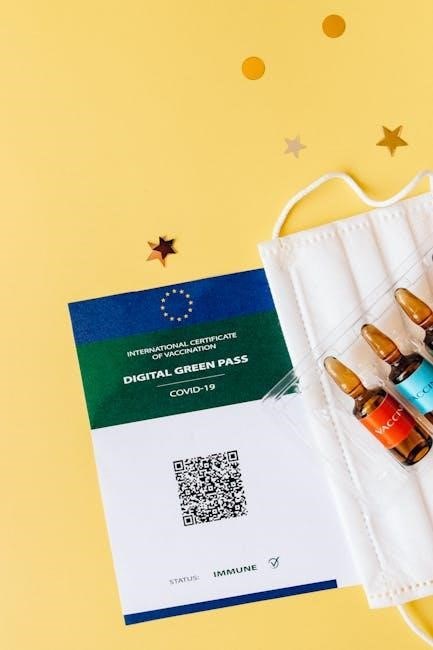
Protecting Yourself from Fake Result Schemes
Prioritize reputable testing centers, confirm test validity with travel authorities, and promptly report any suspicious activity regarding COVID-19 results to relevant agencies.
Using Reputable Testing Centers
Selecting a trustworthy testing center is paramount in safeguarding against fake COVID-19 results. The proliferation of fraudulent sites, as seen in Los Angeles County, highlights the critical need for due diligence. Prioritize facilities accredited by recognized organizations and verify their legitimacy through official health department websites.
Avoid centers offering unusually quick turnaround times or suspiciously low prices, as these can be red flags. Research the testing center’s reputation online, checking for reviews and any reported issues. Ensure the center directly reports results to official channels, rather than solely providing a PDF document.
Confirm the lab performing the analysis is certified and adheres to quality control standards. A legitimate testing center will readily provide this information, demonstrating transparency and commitment to accurate results.
Confirming Test Validity with Travel Authorities
Given the surge in fake COVID-19 certificates used for travel – exemplified by cases in Hawaii – proactively verifying test validity with destination authorities is crucial. Don’t solely rely on the PDF result provided by the testing center. Before travel, directly contact the relevant embassy, consulate, or travel agency to confirm acceptance of your specific test and provider.
Many destinations now have dedicated portals or email addresses for pre-travel verification. Utilize these resources to submit your test details and receive official confirmation. Be prepared to provide additional documentation, such as proof of testing appointment or lab accreditation.
Understanding the specific entry requirements of your destination is vital, as rules can change rapidly. This proactive step minimizes the risk of denied boarding or quarantine upon arrival.
Reporting Suspicious Activity
The proliferation of fraudulent COVID-19 test PDFs, as seen in incidents like the Sameday Health scandal and Los Angeles testing site fraud, necessitates vigilant reporting of suspicious activity. If you encounter offers for forged results – currently priced around $150 – or suspect a testing center is operating illegally, report it immediately;
Contact your local law enforcement agency and relevant health authorities. In the United States, the FBI accepts tips online regarding COVID-19 fraud. Additionally, report the incident to the testing provider if you believe their branding is being misused.
Providing detailed information, including website links and contact details, aids investigations and helps protect others from becoming victims.
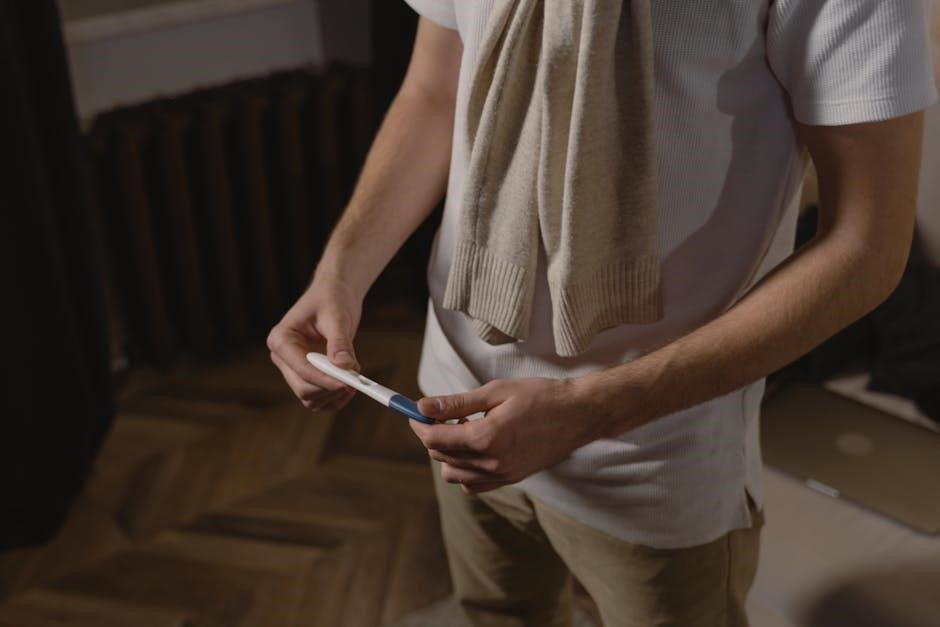
The Impact on Trust in Healthcare Systems
Widespread fraud, exemplified by cases in Venice and Los Angeles, erodes public confidence in testing procedures and healthcare systems, creating long-term consequences.
Erosion of Public Confidence
The proliferation of fake COVID-19 test results, as seen with Sameday Health in Venice and fraudulent sites in Los Angeles County, has significantly damaged public trust in healthcare systems. Instances of travelers utilizing forged documents to bypass quarantine in Hawaii further exacerbate this issue.
When individuals deliberately circumvent public health measures through deception, it breeds skepticism about the integrity of testing processes and the reliability of reported data. This erosion of confidence extends beyond COVID-19 testing, potentially impacting future public health initiatives and vaccine acceptance.
The ease with which these fraudulent documents can be obtained, and the financial incentives driving their creation (reports of certificates sold for £150), contribute to a growing sense of distrust. Restoring public faith requires robust verification systems and swift, decisive action against perpetrators.
Increased Scrutiny of Testing Procedures
The widespread circulation of fake COVID-19 results, highlighted by scandals like Sameday Health and investigations following the Kumbh Mela, has inevitably led to heightened scrutiny of existing testing procedures. Authorities are now compelled to re-evaluate the vulnerabilities within the system that allow for such widespread fraud.
This increased scrutiny extends to verification processes, with a greater emphasis on confirming test validity with official providers and travel authorities. The Los Angeles County case underscores the need for stricter oversight of testing sites to prevent future fraudulent operations.
Furthermore, the demand for more secure methods, like blockchain solutions and digital health passports, is growing as a direct response to these breaches of trust. The focus is shifting towards creating a more robust and tamper-proof system.
Long-Term Consequences for Public Health Initiatives
The proliferation of fake COVID-19 results poses significant long-term consequences for public health initiatives, extending far beyond immediate travel disruptions and legal repercussions. The erosion of public confidence in testing accuracy undermines future disease surveillance and control efforts.
Instances like the Hawaii traveler quarantine violations demonstrate how fraudulent documents can directly compromise public safety. A diminished trust in testing data hinders effective contact tracing and outbreak management, potentially leading to resurgences.
Moreover, the need to invest in advanced verification technologies, spurred by these incidents, diverts resources from other crucial public health programs. Rebuilding trust will require sustained transparency and robust security measures.
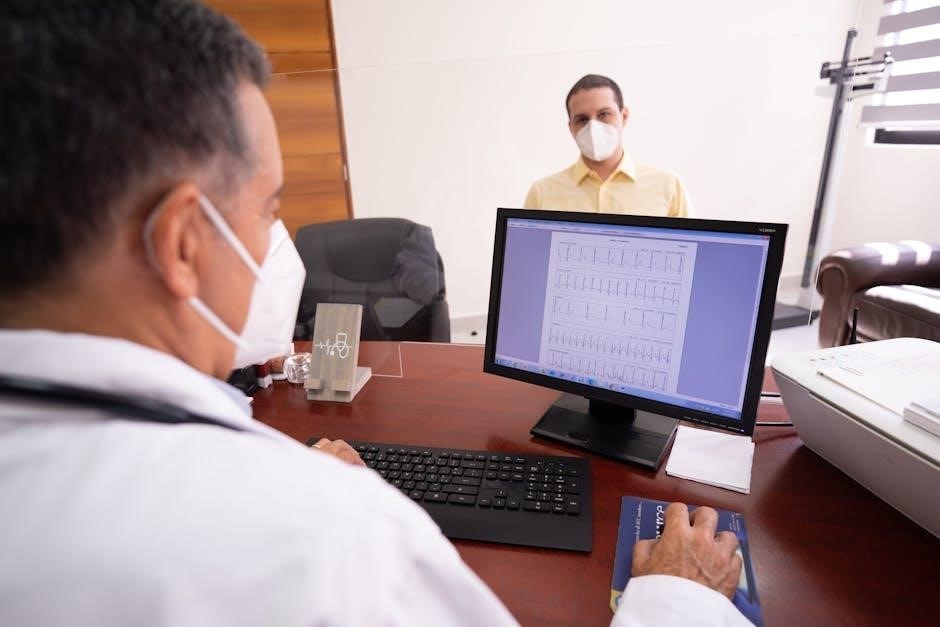
Future Trends in COVID-19 Testing & Verification
Looking ahead, expect rapid testing advancements, enhanced digital result security, and increased international collaboration to proactively combat fraud and maintain public trust.
Advancements in Rapid Testing Technologies
The evolution of rapid testing is crucial in mitigating the issues surrounding fake COVID-19 results. Newer technologies promise faster turnaround times, reducing the window of opportunity for individuals to seek forged documentation. Innovations include more sensitive and specific molecular tests that can be performed at the point of care, minimizing lab processing and potential manipulation.
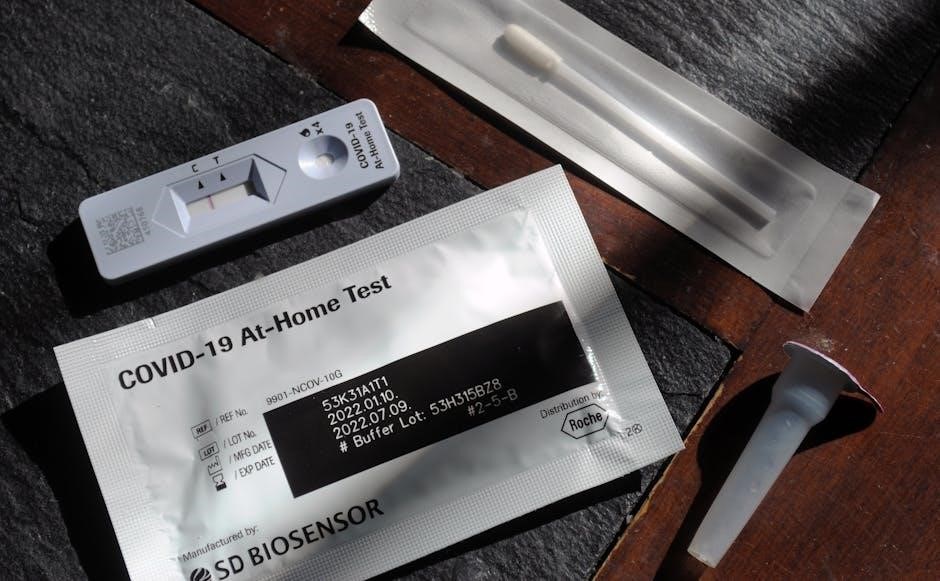
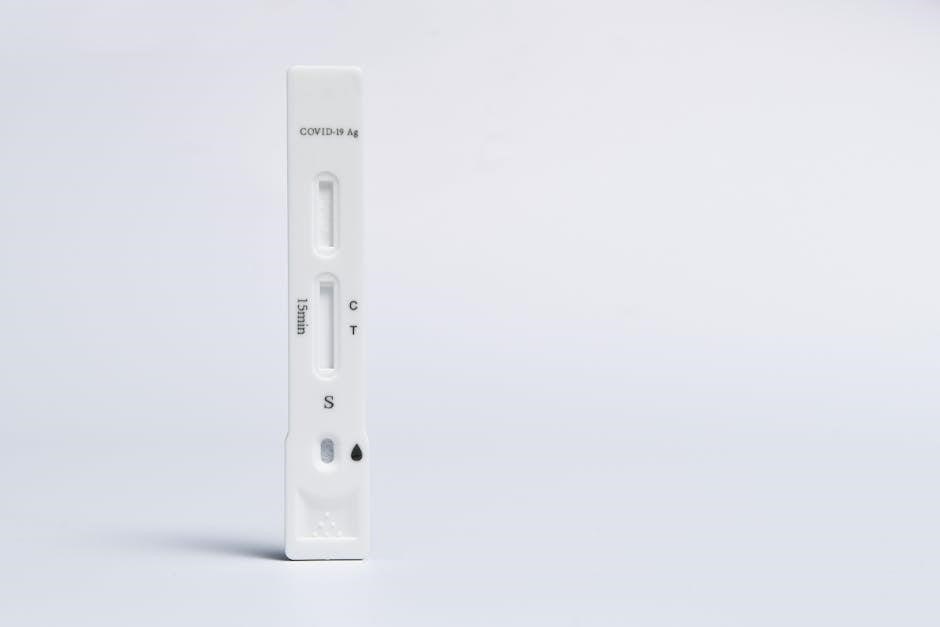
Furthermore, advancements in biosensor technology are leading to the development of highly accurate, easy-to-use tests that can deliver results within minutes. These technologies often incorporate built-in security features, such as unique identifiers and tamper-evident packaging, making it more difficult to create convincing fakes. The widespread adoption of these rapid, secure tests will significantly decrease reliance on traditional PCR tests and, consequently, the demand for fraudulent results.
Enhanced Security Measures for Digital Results
Protecting the integrity of digital COVID-19 results requires robust security enhancements. Current PDF formats are vulnerable to alteration, necessitating the implementation of technologies like blockchain for immutable record-keeping. Digital signatures and watermarks, cryptographically linked to the testing provider and patient, can verify authenticity.
Furthermore, incorporating QR codes containing verifiable metadata – test type, lab accreditation, and unique identifiers – allows for instant authentication via smartphone apps. These apps can cross-reference data with official databases, flagging any discrepancies. Strengthening data encryption and access controls within testing facilities is also paramount, preventing unauthorized modifications and ensuring the secure transmission of results.
International Collaboration to Prevent Fraud
Combating the global issue of fake COVID-19 results demands extensive international collaboration. Harmonizing testing standards and result verification protocols across borders is crucial, eliminating loopholes exploited by fraudulent actors. Information sharing between nations regarding identified forgery techniques and fraudulent testing sites is essential for proactive prevention.
Establishing a centralized, globally accessible database of accredited testing facilities and authorized personnel would enhance transparency. Joint investigations into cross-border fraud schemes, like those impacting travel to Hawaii, require coordinated law enforcement efforts. Standardized digital health credentials, mutually recognized by participating countries, can streamline verification and deter the use of falsified documents.