
Tennant T5 Parts Manual: A Comprehensive Guide
This manual details the T5’s components, maintenance, and repair, covering installation, operation, and crucial parts identification for optimal performance and longevity․
Understanding tenancy agreements, subletting clauses, and property ownership transfer is vital, alongside proper document handling and utility account management․
ABase, Snowflake pruning, and outstanding rent recovery are also relevant considerations, alongside warranty details and parts ordering procedures for the T5 model․
The Tennant T5 represents a robust and versatile floor scrubbing solution, widely utilized in diverse industrial and commercial settings․ Understanding its core functionalities and component interactions is paramount for effective operation and maintenance․ This introduction serves as a foundational overview, preparing users for detailed exploration within this comprehensive parts manual․
Like any tenancy agreement, the T5’s longevity relies on diligent care and prompt attention to potential issues․ Proper handling of the machine, akin to managing a lease, ensures optimal performance and minimizes downtime․ Just as understanding subletting clauses is crucial for property owners, grasping the T5’s system interdependencies is vital for technicians․
This manual mirrors the importance of a well-defined lease, providing clear guidance on parts identification, repair procedures, and safety protocols․ It’s designed to empower operators and maintenance personnel with the knowledge needed to maintain the T5’s efficiency, mirroring the responsible handling of a rental property․ Consider it your guide to maximizing the T5’s lifespan and return on investment․
Understanding the T5 Model Variations
The Tennant T5 isn’t a monolithic entity; several variations exist, each tailored to specific cleaning demands․ Recognizing these distinctions is crucial when sourcing parts or performing maintenance, much like identifying specific clauses within a tenancy agreement․ These variations often relate to tank capacity, brush deck configuration, and optional features like side brooms or scrub speeds․
Similar to understanding tenancy-in-common versus joint tenancy, knowing the T5’s specific build is essential․ Some models prioritize maneuverability in confined spaces, while others focus on covering larger areas efficiently․ Identifying the exact model number, akin to referencing a lease document, unlocks access to the correct parts diagrams and procedures․
Just as a landlord needs to know property details, technicians require precise model information․ Variations impact component compatibility; a part suitable for one T5 configuration may not function correctly in another․ This manual aims to clarify these differences, ensuring accurate repairs and minimizing the risk of incorrect part replacements, mirroring responsible property management․
Accessing the Official Tennant T5 Parts Manual
Obtaining the official Tennant T5 Parts Manual is paramount for accurate repairs and maintenance, akin to a tenant carefully reviewing their lease agreement․ Tennant offers several avenues for access, including their official website, which often requires registration or a service agreement․ Digital versions, similar to submitting a stamped lease to tax authorities, provide immediate access and searchability․
Alternatively, contacting an authorized Tennant dealer is a reliable method․ Dealers can provide physical copies or guide you through the online access process․ Ensure you have the T5’s serial number readily available, functioning like a property address for precise identification․
Beware of unofficial sources, as they may contain outdated or inaccurate information․ Just as verifying landlord credentials is crucial, relying on the official manual guarantees compatibility and safety․ Proper documentation, like a well-maintained manual, prevents costly errors and ensures long-term machine reliability, mirroring responsible asset management․

Key Components & Systems
The T5’s core systems—hydraulic, electrical, brush/vacuum, and drive—demand precise part identification and understanding, mirroring lease terms and property details․
Proper maintenance ensures optimal functionality․
Hydraulic System Components
The Tennant T5’s hydraulic system is crucial for powering various functions, including lift, tilt, and drive mechanisms․ Key components necessitate careful inspection and maintenance for peak performance․ These include the hydraulic pump, responsible for converting mechanical energy into hydraulic force, and the hydraulic motor, which transforms this force into rotational motion․
Hydraulic hoses and fittings are vital for fluid transfer, requiring regular checks for leaks or damage․ The hydraulic reservoir stores the hydraulic fluid, demanding periodic fluid level and condition assessments․ Filters within the system prevent contaminants from damaging sensitive components, necessitating timely replacements․
Control valves regulate fluid flow, dictating the operation of different functions․ Understanding the interplay of these components, similar to comprehending lease agreements and property rights, is essential for effective troubleshooting and repair․ Proper maintenance, akin to diligent document handling, ensures longevity and reliability․
Electrical System Overview

The Tennant T5’s electrical system powers all operational functions, from the drive motor to the control panel․ A comprehensive understanding of its components is vital for effective diagnostics and repair․ Key elements include the battery pack, providing the primary power source, and the charger, responsible for replenishing battery energy․
Wiring harnesses distribute power throughout the machine, requiring inspection for damage or corrosion․ The control panel houses switches and relays, governing various functions․ The motor controller regulates power delivery to the drive motor, impacting performance and efficiency․
Fuses and circuit breakers protect the system from overloads, ensuring safe operation․ Similar to understanding tenancy agreements and utility account management, a grasp of electrical schematics is crucial․ Regular checks, akin to diligent document handling, prevent unexpected failures and maintain optimal functionality․
Brush & Vacuum System Breakdown
The Tennant T5’s cleaning efficacy relies heavily on its brush and vacuum system․ This system comprises several key components working in unison to remove debris effectively․ The brushes, available in various materials for different surfaces, agitate and loosen dirt․ The vacuum motor generates suction, lifting the loosened debris․
A squeegee system then directs water and remaining debris into a solution tank․ Filters within the vacuum system prevent dust and particles from recirculating․ Regular inspection and replacement of brushes, akin to managing tenancy agreements, are crucial for maintaining cleaning performance․
Understanding the interplay between these components, similar to grasping property ownership transfer rules, is vital for troubleshooting․ Proper maintenance, like diligent document handling, ensures optimal suction and prevents premature wear, maximizing the T5’s cleaning capabilities․
Drive System & Motor Details
The Tennant T5’s drive system is the core of its mobility, featuring a robust motor and transmission assembly․ This system translates electrical energy into mechanical power, propelling the machine forward and enabling steering․ Key components include the drive motor, transaxle, and associated wiring harnesses․
Regular inspection of these parts, much like reviewing a tenancy agreement, is essential for preventing breakdowns․ The motor’s performance directly impacts cleaning efficiency, and any decline in power should be addressed promptly․ Understanding the system’s mechanics, similar to grasping subletting clauses, aids in effective troubleshooting․
Proper maintenance, including lubrication and checking for wear, extends the lifespan of the drive system․ Like diligent document handling, preventative care minimizes downtime and ensures reliable operation, maximizing the T5’s productivity and overall value․

Maintenance & Repair Procedures
Routine checks, troubleshooting guides, and replacement instructions are vital for maintaining peak performance․ Like handling tenancy documents, diligent upkeep ensures longevity and operational efficiency․
Routine Maintenance Schedules
Establishing a consistent maintenance schedule is paramount for the Tennant T5’s longevity and optimal performance․ Similar to adhering to the terms of a tenancy agreement, proactive maintenance prevents costly repairs and downtime․ Daily checks should include visual inspections for wear and tear on brushes, tires, and hoses, alongside verifying fluid levels․
Weekly tasks encompass a more thorough examination of the vacuum system, ensuring filters are clean and unobstructed․ Monthly procedures involve inspecting the hydraulic system for leaks and checking the drive system components for proper operation․ Quarterly maintenance requires a detailed review of the electrical system, including battery connections and charger functionality․
Annual servicing should be performed by a qualified technician, encompassing a complete inspection and overhaul of all key systems․ Remember, like managing utility accounts as outlined in a lease, consistent attention to these schedules will maximize the T5’s lifespan and minimize operational disruptions․
Troubleshooting Common Issues
Addressing issues promptly is crucial for maintaining Tennant T5 operational efficiency, much like handling disputes within a tenancy agreement․ Common problems include reduced suction power, often caused by clogged filters or a faulty vacuum motor – requiring immediate inspection and cleaning or replacement․ Hydraulic system malfunctions, such as slow lifting or lowering, may indicate low fluid levels or pump issues․
Electrical problems, like a failure to charge or erratic operation, necessitate checking battery connections and the charger’s functionality․ Drive system issues, including reduced speed or unusual noises, could stem from worn drive belts or motor problems․
Remember to consult the parts manual for accurate component identification and replacement procedures․ Like recovering outstanding rent, systematic troubleshooting and timely repairs prevent minor issues from escalating into major, costly overhauls․ Prioritize safety and disconnect power before any inspection or repair work․
Replacing Worn Brushes & Filters
Regularly replacing brushes and filters is vital for maintaining peak Tennant T5 performance, akin to ensuring a well-maintained tenancy agreement․ Worn brushes reduce cleaning effectiveness, requiring removal and installation of new ones – referencing the parts manual for correct type and placement is essential․ Inspect brush wear patterns to identify potential issues with floor surfaces or machine alignment․
Filters, including dust and solution filters, become clogged over time, diminishing suction and cleaning quality․ Follow the maintenance schedule in the manual for filter replacement intervals․ Proper filter installation prevents debris from bypassing the filtration system, protecting internal components․
Like handling utility accounts, consistent maintenance prevents larger problems․ Always disconnect power before performing any maintenance․ Dispose of old brushes and filters responsibly, adhering to local regulations․
Hydraulic Fluid Checks & Replacements
Maintaining proper hydraulic fluid levels and condition is crucial for the Tennant T5’s functionality, similar to ensuring a legally sound tenancy agreement․ Regularly check the fluid level using the dipstick, ensuring it falls within the recommended range specified in the parts manual․ Inspect the fluid for contamination – discoloration or debris indicates a need for replacement․
Fluid replacement should follow the schedule outlined in the manual, typically based on operating hours․ Use only the recommended hydraulic fluid type to avoid damaging seals and components․ Proper disposal of used fluid is essential, adhering to environmental regulations․
Like managing property ownership transfer, correct procedures are vital․ Ensure the machine is on a level surface during checks and replacements․ Follow the manual’s instructions for bleeding the hydraulic system after fluid changes to remove air pockets․

Specific Part Identification
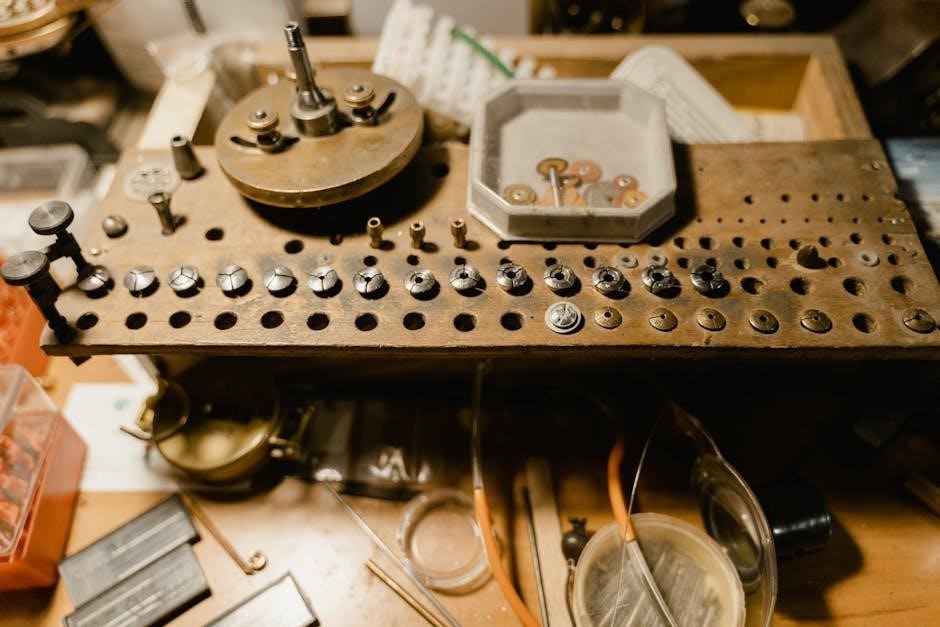
Locating and correctly identifying components – vacuum motors, drive motors, batteries, chargers, and hydraulic parts – is essential for effective repairs and maintenance of the T5․
Identifying & Replacing the Vacuum Motor
The vacuum motor is a critical component of the Tennant T5, responsible for generating suction to effectively remove debris during operation․ Identifying the correct vacuum motor for your specific T5 model variation is the first step․ Refer to the official parts manual, utilizing the serial number to ensure compatibility․
Before replacement, disconnect the machine’s power source and follow all safety precautions․ Accessing the vacuum motor typically involves removing protective panels․ Carefully disconnect the electrical connections and hose attachments․ When installing the new motor, ensure proper alignment and secure all connections․
Verify the motor’s functionality by testing the vacuum system after reassembly․ Check for any obstructions in the vacuum path․ A malfunctioning vacuum motor can significantly reduce cleaning performance, so prompt replacement is crucial․ Remember to properly dispose of the old motor according to local regulations․
Locating & Replacing the Drive Motor
The drive motor powers the Tennant T5’s movement, and its proper function is essential for operational efficiency․ Locating the drive motor requires consulting the parts manual’s detailed diagrams, referencing your machine’s serial number for accurate identification․ Access usually involves removing side panels or floor plates․

Prior to any work, disconnect the battery pack and adhere to all safety guidelines․ Disconnect the electrical connections and any linkage to the drive system․ Carefully support the motor during removal, as it can be heavy․ Installation involves reversing the removal process, ensuring secure connections and proper alignment․
After replacement, test the drive system in a safe, open area․ Verify forward and reverse functionality, as well as speed control․ A faulty drive motor results in reduced mobility or complete failure, necessitating timely replacement․ Proper disposal of the old motor is also important․
Understanding Battery & Charger Components
The Tennant T5’s battery system provides power, while the charger replenishes it․ Understanding these components is crucial for maximizing runtime and battery life․ Batteries typically consist of multiple cells, connected in series to achieve the required voltage․ Key components include the battery pack, individual cells, and connecting cables․
The charger converts AC power to DC for battery charging․ Components include the transformer, rectifier, and charging control circuitry․ Different charger types exist, including conventional and opportunity chargers․ Proper charger selection and maintenance are vital to prevent overcharging or undercharging․
Regularly inspect battery connections for corrosion and ensure proper ventilation during charging․ Refer to the parts manual for specific battery and charger specifications․ Safe handling of batteries is paramount, as they contain corrosive materials․ Correct disposal procedures must be followed․
Identifying Hydraulic Pump & Motor Parts

The Tennant T5 utilizes a hydraulic system for powering various functions․ Identifying pump and motor parts is essential for effective maintenance and repair․ The hydraulic pump converts mechanical energy into hydraulic fluid pressure, while the motor converts that pressure back into mechanical energy․
Key components include the pump housing, impeller or gears, seals, and the hydraulic motor’s housing, vanes or pistons, and shaft․ Understanding the function of each part aids in troubleshooting․ The parts manual provides detailed diagrams and part numbers for easy identification․
Regularly inspect hoses and fittings for leaks and damage․ Check fluid levels and ensure proper filtration․ Proper maintenance extends the life of these critical components․ Always refer to the manual for torque specifications when replacing parts, ensuring optimal performance and preventing failures․

Safety Precautions & Manual Usage
Prioritize safety during repair and maintenance, following guidelines and interpreting diagrams carefully․ Understand torque specs and warranty information for proper parts ordering and usage․
Safety Guidelines for Repair & Maintenance
Prior to any maintenance or repair work on the Tennant T5, disconnecting the battery is paramount to prevent accidental electrical shock or machine activation․ Always wear appropriate personal protective equipment (PPE), including safety glasses, gloves, and sturdy footwear, to shield against potential hazards like hydraulic fluid splashes or flying debris․
Ensure the machine is parked on a level surface and properly braked to prevent unintended movement․ Never work under a raised machine without utilizing appropriate support stands, and always verify their stability before commencing work․ Be mindful of hot surfaces, particularly around the engine or hydraulic components, allowing sufficient cooling time before handling․
When dealing with hydraulic systems, relieve pressure before disconnecting any lines to avoid high-pressure fluid injection injuries․ Properly dispose of all waste materials, such as used oil and filters, in accordance with local environmental regulations․ Consult the official Tennant T5 parts manual for specific safety warnings related to individual components and procedures, and adhere to all outlined precautions diligently․
Interpreting Diagrams & Schematics
The Tennant T5 parts manual utilizes detailed diagrams and schematics to illustrate component locations, assembly procedures, and system interactions․ Understanding these visuals is crucial for accurate repairs and maintenance․ Key elements include part numbers, which directly correspond to the official parts list, and exploded views showcasing component relationships․
Electrical schematics employ standardized symbols representing components like resistors, capacitors, and motors․ Trace wire colors and connections carefully to diagnose electrical faults․ Hydraulic schematics depict fluid pathways, valves, and pumps, aiding in troubleshooting pressure or flow issues․ Pay close attention to legend keys that define symbols and abbreviations used throughout the manual․
Utilize cross-references between diagrams and parts lists to identify specific components․ Familiarize yourself with common schematic conventions and practice interpreting them systematically․ Remember that diagrams are representations and may not perfectly reflect every detail of the actual machine; always verify findings physically․
Understanding Torque Specifications
Precise torque specifications are critical when reassembling Tennant T5 components to ensure proper function and prevent damage․ The parts manual provides torque values for various fasteners, categorized by size, grade, and application․ Ignoring these specifications can lead to loose connections, component failure, or even safety hazards․
Torque is measured in units like foot-pounds (ft-lbs) or Newton-meters (Nm)․ Always use a calibrated torque wrench to achieve the specified value accurately․ Tightening beyond the specified torque can strip threads or distort components, while under-tightening can cause loosening during operation․
Pay attention to specific instructions regarding lubrication of fasteners before tightening․ Refer to the manual’s tables for torque values related to hydraulic fittings, electrical connections, and mechanical assemblies․ Understanding these specifications is paramount for reliable and safe T5 maintenance and repair․

Tennant Warranty Information & Parts Ordering
The Tennant T5 is covered by a standard warranty protecting against defects in materials and workmanship․ Warranty duration varies based on the component and usage․ Review the official warranty documentation included with your machine for specific terms and conditions․ Proper maintenance, as outlined in this manual, is crucial for warranty validity․
To order replacement parts, contact an authorized Tennant dealer or utilize the Tennant Parts Town website․ Have your machine’s serial number readily available for accurate part identification․ The parts manual’s exploded diagrams assist in locating the correct components․ Specify part numbers when ordering to avoid errors․
Understanding tenancy agreements and property rights isn’t directly related, but diligent record-keeping of parts purchases and maintenance is advisable․ Tennant offers genuine parts ensuring compatibility and performance․